
AI-Powered Technology
AI Virtual Staging Explained
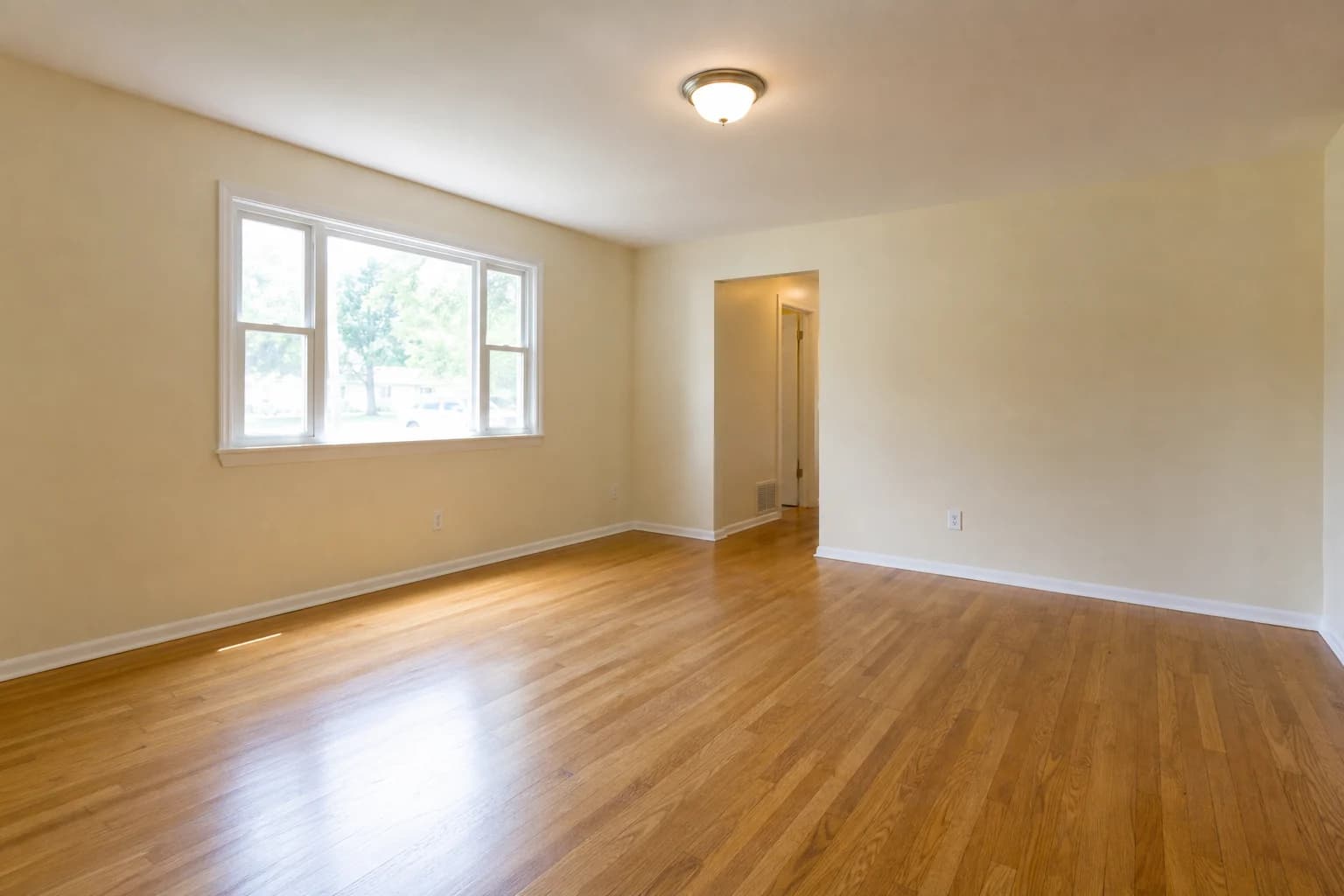
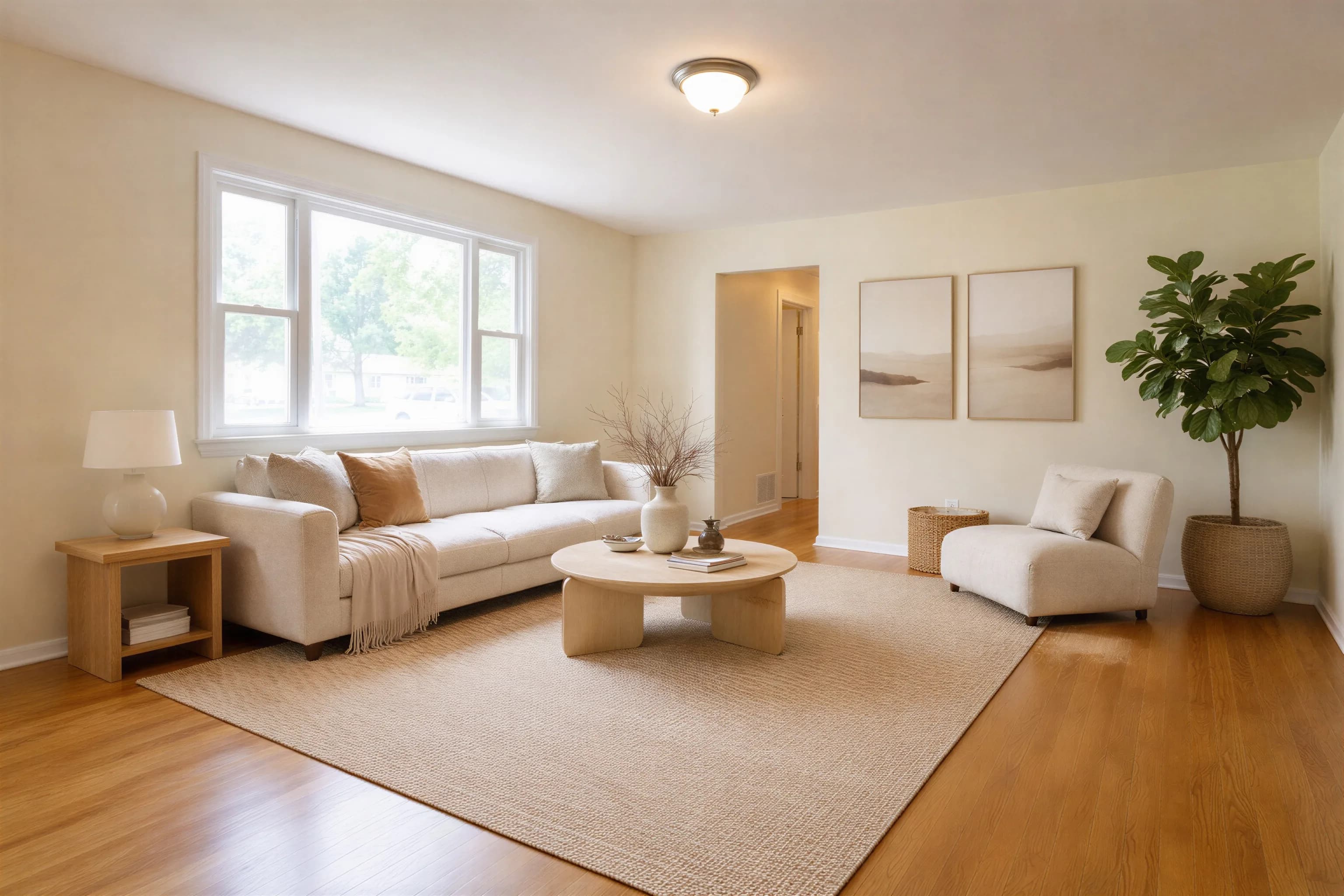
Agent Lens generates a possible furnished version of an empty-room photo. Because image models infer rather than measure the room, every output must be compared with the source for geometry, fixtures, scale, lighting, and artifacts before use.
What is AI virtual staging?
AI virtual staging uses an image-generation model to create a furnished version of a room photo. It can produce several concepts quickly, but it may also alter geometry, fixtures, scale, or lighting. A usable workflow keeps the original, reviews every full-size output, rejects misleading edits, and discloses the virtual staging before publication.
How the AI Works
Six parts of the workflow to evaluate before using an AI-generated image in a real estate listing.
Room Detection
The model infers a likely room type, layout, light direction, and architectural context from the image. Verify that inference before accepting the generated layout.
Suggested Furniture Placement
The model suggests furniture based on estimated depth and room context. Check scale, access paths, clipping, and contact with walls, windows, fireplaces, and built-ins.
Lighting and Perspective Review
Generated objects attempt to follow the source lighting and perspective. Inspect shadows, reflections, edges, and color temperature at full size because mismatches are common failure modes.
Architectural Comparison
Compare windows, doors, moldings, floors, fireplaces, outlets, and built-ins with the source image. Reject any output that changes a permanent feature or hides a defect.
Style Direction
A style selection steers materials, shapes, and colors in the generated concept. It does not validate the practicality, availability, or exact dimensions of the furniture shown.
Generation Plus Review Time
Generation can be quick, but processing time varies and review is a separate step. Budget time to compare, regenerate, label, and export every image rather than counting generation alone.
AI Staging vs Manual Staging Services
| Factor | AI Staging (Agent Lens) | Manual Virtual Staging |
|---|---|---|
| Speed | Automated; processing varies | Provider-specific turnaround |
| Cost per Image | $9.90/mo for 50* | Check the provider's live quote |
| Design Styles | 4 staging aesthetics | Depends on the service and brief |
| Revisions | Each regeneration uses a credit | 1-2 included, then extra fees |
| Consistency | Consistent AI model | Varies by editor |
| Best For | High-volume agents | Luxury, custom projects |
Experience AI Virtual Staging
Generate a first room concept, then compare geometry, fixtures, scale, lighting, and artifacts with the source. 10 starter credits are included.
AI Virtual Staging FAQ
How does AI virtual staging work?+
AI virtual staging uses an image-generation model to create a new version of a room photo with suggested furniture and decor. The model infers geometry, lighting, and style from pixels, so it can also make mistakes. Compare the full-size result with the source and reject changes to walls, windows, fixtures, doors, or room proportions.
Is AI virtual staging as good as manual virtual staging?+
Quality depends on the source photo, model, editing controls, and reviewer. AI tools can generate options quickly, while a manual service may provide deliberate placement and revisions by an editor. Compare both on the same source image and judge architecture preservation, scale, shadows, export quality, turnaround, and total review cost.
Can AI virtual staging remove existing furniture?+
Agent Lens is optimized for empty or mostly empty rooms. If a room has existing furniture, the AI may blend new pieces with old ones, which can look unnatural. For best results, start with vacant room photos. Some competing tools offer furniture removal as a separate step before staging.
Are AI-staged photos allowed on Zillow and MLS?+
Policies vary and can change. Some MLSs and platforms allow virtually staged images under specific disclosure, photo-order, and original-image rules; others may restrict particular edits. Check the current policy for the exact destination, retain the original, and do not use an edit to conceal a defect or alter permanent features.
How accurate is the AI compared to real interior design?+
The output is a visual suggestion, not an interior plan. Image models can misread depth, furniture scale, door clearance, windows, and lighting. Use the result to illustrate a possible style only; do not treat it as proof that specific furniture fits or that a layout meets accessibility, safety, or building requirements.
Related Guides
Virtual Staging Software
Feature overview, pricing, and why agents choose Agent Lens
Before & After Gallery
See real transformation results by room and style
Virtual Staging for Agents
Disclosure, costs, review, and agent-specific workflows
Open Quality Test
Eight first outputs, timings, failures, prompts, and raw data