Limited Time: 10 Free Credits for new accounts. Offer ends soon.
Agent Lens Logo
Agent Lens
Complete Staging Guide

How to Stage a House
for Sale

A practical checklist for preparing rooms, deciding what to stage, photographing the result, and separating useful evidence from sales promises.

Quick Answer

12 min read

Home staging prepares a property for marketing through cleaning, decluttering, maintenance, lighting, and furniture placement. NAR's 2025 survey found that 83% of buyers' agents said staging helped buyers visualize a future home. The survey covers staging overall and reports agent observations, not a guaranteed price or time-on-market result. Virtual staging changes photos only and requires disclosure and output review.

Read the 2025 NAR Profile of Home Staging

Key Takeaways

  • 1Treat outcome percentages as survey observations, not a promise for one listing
  • 2Prioritize the living room, primary bedroom, and kitchen, then adapt to the property
  • 3Virtual staging changes listing photos; physical staging also changes the in-person showing
  • 4Use the checklist below and document which changes were physical or digital

Why Stage Your Home?

29%
Reported a 1–10% offer-value increase NAR 2025; staging overall
49%
Reported some decrease in market time NAR 2025; not causal
83%
Said staging aided visualization NAR 2025; buyers' agents
$1,500
Median staging-service spend NAR 2025 survey

10-Step Home Staging Guide

Work through these steps in order, adapting the scope to the property, budget, seller instructions, and local listing rules.

1

Declutter & Depersonalize

Remove items that block walkways, hide storage, or dominate the photographs. Pack away seasonal items and personal collections, but keep enough furniture to make each room's purpose clear.

Quick tips

  • Create visible space in closets
  • Remove personal paperwork and valuables
  • Leave only useful items on kitchen counters
2

Deep Clean Everything

A spotless home signals careful maintenance. Clean windows inside and out, steam carpets, scrub grout, polish fixtures, and address any odors. Pay special attention to kitchens and bathrooms — buyers judge home quality by these rooms.

Quick tips

  • Get local cleaning quotes if needed
  • Clean inside cabinets buyers may inspect
  • Address odor sources rather than masking them
3

Make Minor Repairs

Fix visible minor defects such as loose handles, dripping faucets, cracked outlet covers, and scuffed walls. Ask an appropriate professional to assess electrical, plumbing, structural, or safety concerns.

Quick tips

  • Fix all door handles and cabinet pulls
  • Patch and touch up wall paint
  • Replace cracked outlet covers
4

Paint with Neutral Colors

Repaint when walls are damaged, heavily marked, or visually inconsistent. Test colors in the room's actual daylight before committing; a neutral palette is an option, not a guaranteed return on investment.

Quick tips

  • Patch and clean before painting
  • Test samples in daylight and evening light
  • Compare local quotes before repainting the whole house
5

Maximize Curb Appeal

First impressions start at the curb. Mow the lawn, trim hedges, power wash walkways, paint the front door, and add potted plants to the entry. A welcoming exterior sets positive expectations before buyers step inside.

Quick tips

  • Paint the front door a bold but classic color
  • Add matching planters on each side of the entry
  • Replace outdated house numbers and mailbox
6

Optimize Lighting

Use working bulbs with a consistent color temperature, clean fixtures, and open window coverings when the view and weather support it. Avoid mixing very warm and cool bulbs in the same room.

Quick tips

  • Match bulb color within each room
  • Add light only where it improves visibility
  • Check for glare and blown highlights in photos
7

Arrange Furniture for Flow

Float furniture away from walls, create clear walking paths (36+ inches), and define distinct zones in each room. Remove oversized pieces that make rooms feel small. The goal is helping buyers move through the home effortlessly.

Quick tips

  • Keep doors and walkways clear
  • Remove pieces that block useful floor area
  • Check sightlines from the doorway and camera position
8

Stage Room by Room

Prioritize the living room, primary bedroom, and kitchen, then adapt to how the property is actually used. Each room should have a clear purpose without hiding its dimensions or condition.

Quick tips

  • Start with the main living area
  • Use clean, simple bedding
  • Remove excess products from bathrooms
9

Add Finishing Touches

Use a small number of accessories to add scale and warmth without turning surfaces into displays. Check the camera frame after each addition and remove anything that competes with the property itself.

Quick tips

  • Fresh flowers in living room and kitchen
  • Fruit bowl on kitchen counter
  • Rolled white towels in bathrooms
10

Photograph Professionally

Use level, sharp, consistently exposed photos that show the room honestly. If you virtually stage an empty room, retain the original, review permanent features carefully, and disclose the edit under the current MLS and platform rules.

Quick tips

  • Compare local photographer portfolios and quotes
  • Keep original versions of edited photos
  • Check vertical lines, glare, and window exposure

Room-by-Room Staging Guides

Each room has unique staging requirements. Dive deeper with our room-specific guides.

Living Room Staging Guide

The living room is the first space buyers mentally "move into." A well-staged living room creates an emotional anchor that drives faster offers and higher sale prices. According to NAR, 46% of buyers' agents say the living room is the most important room to stage.

6 steps • 6 pro tips

Master Bedroom Staging Guide

The master bedroom is the buyer's private sanctuary. It's the second-most important room to stage after the living room, according to NAR data. A master bedroom that feels like a luxury hotel suite can tip undecided buyers toward making an offer.

6 steps • 6 pro tips

Kitchen Staging Guide

The kitchen sells the house. It's the room buyers inspect most critically and where renovation fears run highest. A well-staged kitchen reassures buyers that the home is move-in ready and can increase perceived value by thousands of dollars.

6 steps • 6 pro tips

Bathroom Staging Guide

Bathrooms may be the smallest rooms in a home, but they have outsized influence on buyer perception. A clean, spa-like bathroom tells buyers the home has been meticulously maintained. Dated or dirty bathrooms are among the top deal-breakers for buyers.

6 steps • 6 pro tips

Plus 1 more room guides including bedroom, and more.

Virtual Staging vs Physical Staging

FeaturePhysical StagingVirtual Staging
Cost$1,500 median service spend (NAR 2025)Subscription or per-image service
Turnaround1-2 weeksMinutes plus review
Style OptionsDepends on inventory and contractAvailable modes vary by provider
ChangesRequires scheduling and a revised quoteRegeneration may use another credit
In-Person ShowingsYes — real furniturePhotos only
Best ForLuxury properties, open housesOnline listings, empty homes

Home Staging on a Budget

Declutter ruthlessly — it costs nothing and has the biggest visual impact
Deep clean everything — $200-$400 for professional cleaners is money well spent
Fresh paint in warm white transforms any room for $30-$50 per gallon
Rearrange existing furniture for better flow instead of buying new pieces
Borrow accessories from friends — vases, books, candles, throw pillows
Use virtual staging to test a furnished concept before requesting a physical-staging quote

Home Staging Cost Breakdown

Staging ApproachCost RangeTimelineBest For
DIY Staging$200-$1,0001-2 weeksBudget-conscious sellers
Virtual StagingSubscription or per-image pricingMinutes plus reviewEmpty homes, online listings
Professional Staging$2,000-$5,0001-2 weeksOccupied homes, mid-market
Luxury Staging$5,000-$15,000+2-4 weeksHigh-end properties

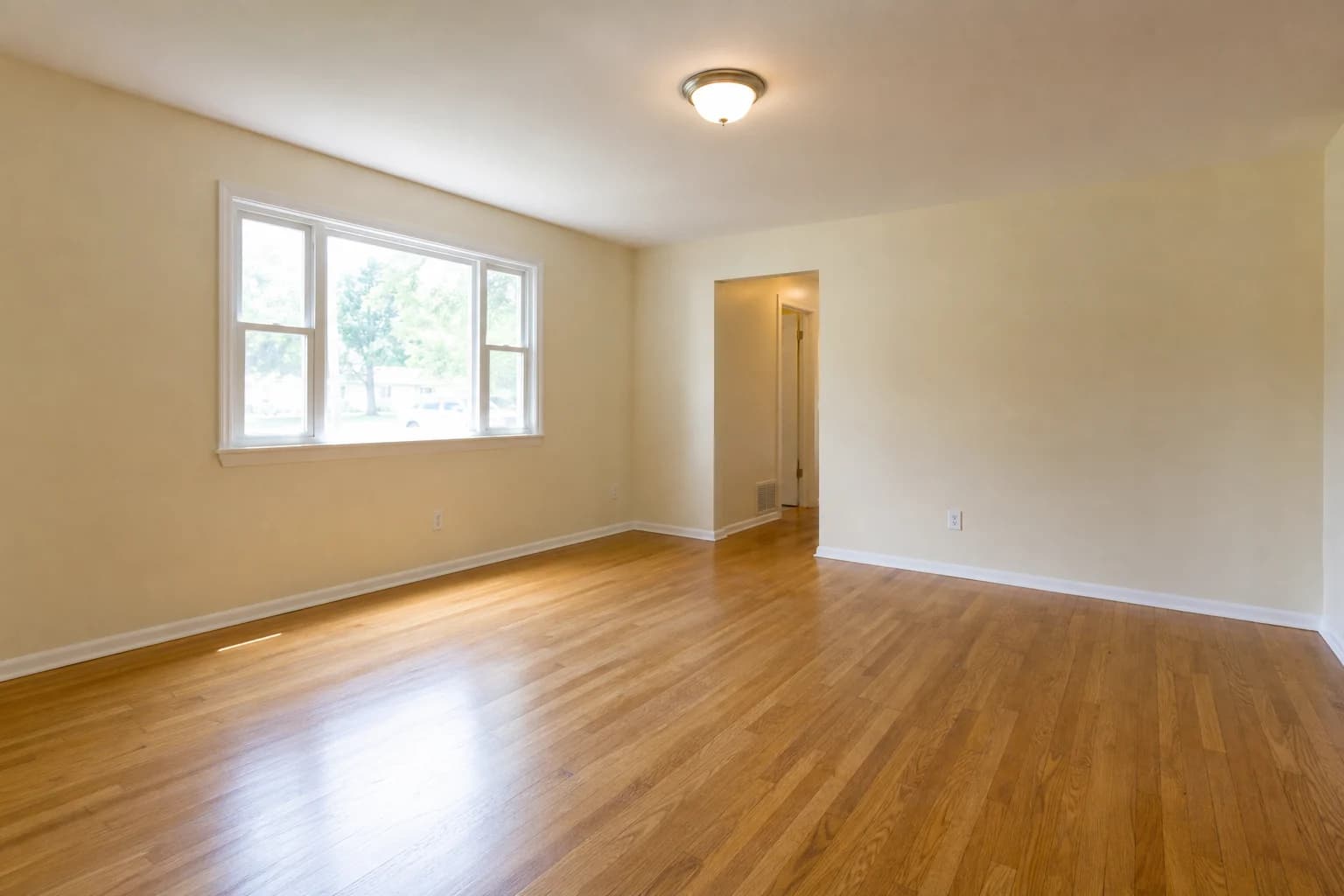
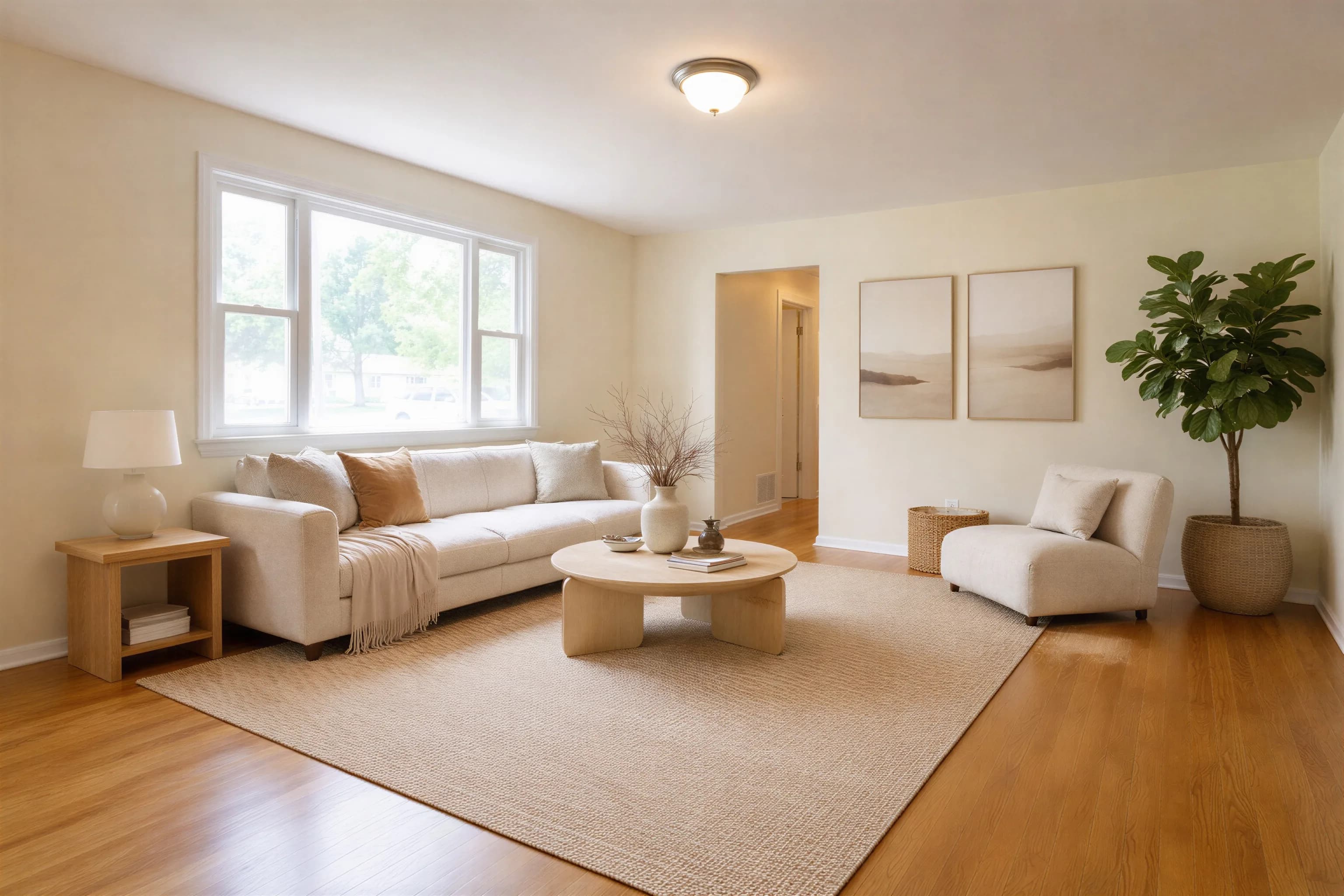
Generate, Review, and Disclose

Generate a possible room layout, compare it with the source, and disclose any approved virtual edit.

Before
Before: synthetic empty living room from the open quality test
After
After: first Agent Lens Organic Modern output

Frequently Asked Questions

How much does it cost to stage a house for sale?

Cost depends on the property, market, furniture rental, delivery, and length of the listing. NAR's 2025 survey reported a $1,500 median spend when a staging service was used, but that is a survey result rather than a quote for your home. DIY preparation and virtual staging have different scopes and cost structures.

Does staging a house guarantee a faster or higher sale?

No. NAR's 2025 survey found that 83% of buyers' agents said staging helped buyers visualize a property, while 49% of sellers' agents reported some decrease in time on market. Those are agent observations about staging overall; they do not isolate virtual staging or prove that staging caused the outcome.

What rooms should I stage first?

Start with the rooms most important to this property and target buyer. In NAR's 2025 survey, agents most often highlighted the living room, primary bedroom, and kitchen. A small home office, accessible bedroom, or outdoor area may matter more for a particular listing.

Can I stage my house myself?

Yes. A DIY pass can cover decluttering, cleaning, minor maintenance, lighting, and furniture placement. Ask qualified professionals about repairs, safety issues, paint, or photography when the decision is outside your experience.

What is virtual staging?

Virtual staging digitally adds furniture or decor to a property photo. It changes the marketing image, not the property seen at a showing. Keep the original, review the edit for accuracy, label it clearly, and follow the current rules of the MLS, platform, brokerage, and jurisdiction.

How long should I keep a house staged?

For physical staging, the useful period depends on the rental agreement and listing plan. For virtual staging, confirm that the edit remains accurate whenever the listing or property changes, and remove outdated images.

Should I stage an empty house?

It depends on the listing, budget, and showing plan. Physical staging can affect both photos and visits; virtual staging only illustrates a possible layout in the edited photo. Showing both the original and clearly labeled staged version can give buyers useful context.

What are the biggest staging mistakes?

Common mistakes include hiding defects, blocking walkways, overfilling rooms, mixing inconsistent lighting, removing too much context, and publishing edited images without disclosure. The goal is clarity, not a guarantee of a particular sale result.

All Room Staging Guides

Living Room Staging Guide6 steps • 5 FAQs
Bedroom Staging Guide6 steps • 4 FAQs
Master Bedroom Staging Guide6 steps • 4 FAQs
Kitchen Staging Guide6 steps • 5 FAQs
Bathroom Staging Guide6 steps • 4 FAQs