
Is Virtual Staging Worth It?
What our eight-room test revealed, and how to price the photos you can actually use

Is virtual staging worth it?
Virtual staging can be worth it for vacant listings when the images are realistic, clearly disclosed, and inexpensive to produce. It helps show how a room may be used, but it does not guarantee a faster sale or a higher offer.
Does virtual staging make a room look better or worse?
Both happened in our August 2, 2026 test. We processed eight room images once each in Agent Lens: five synthetic inputs and three licensed property photographs. We accepted three outputs, marked four for another attempt, and rejected one. We publish Agent Lens, so this is a first-party quality check, not an independent comparison or a measured sales result.
The small-bedroom case shows why a polished image is not enough. The model kept the window, closet, and heater, but added a sofa instead of a bed. It made a plausible sitting room and failed the actual task: showing how the bedroom could be furnished.
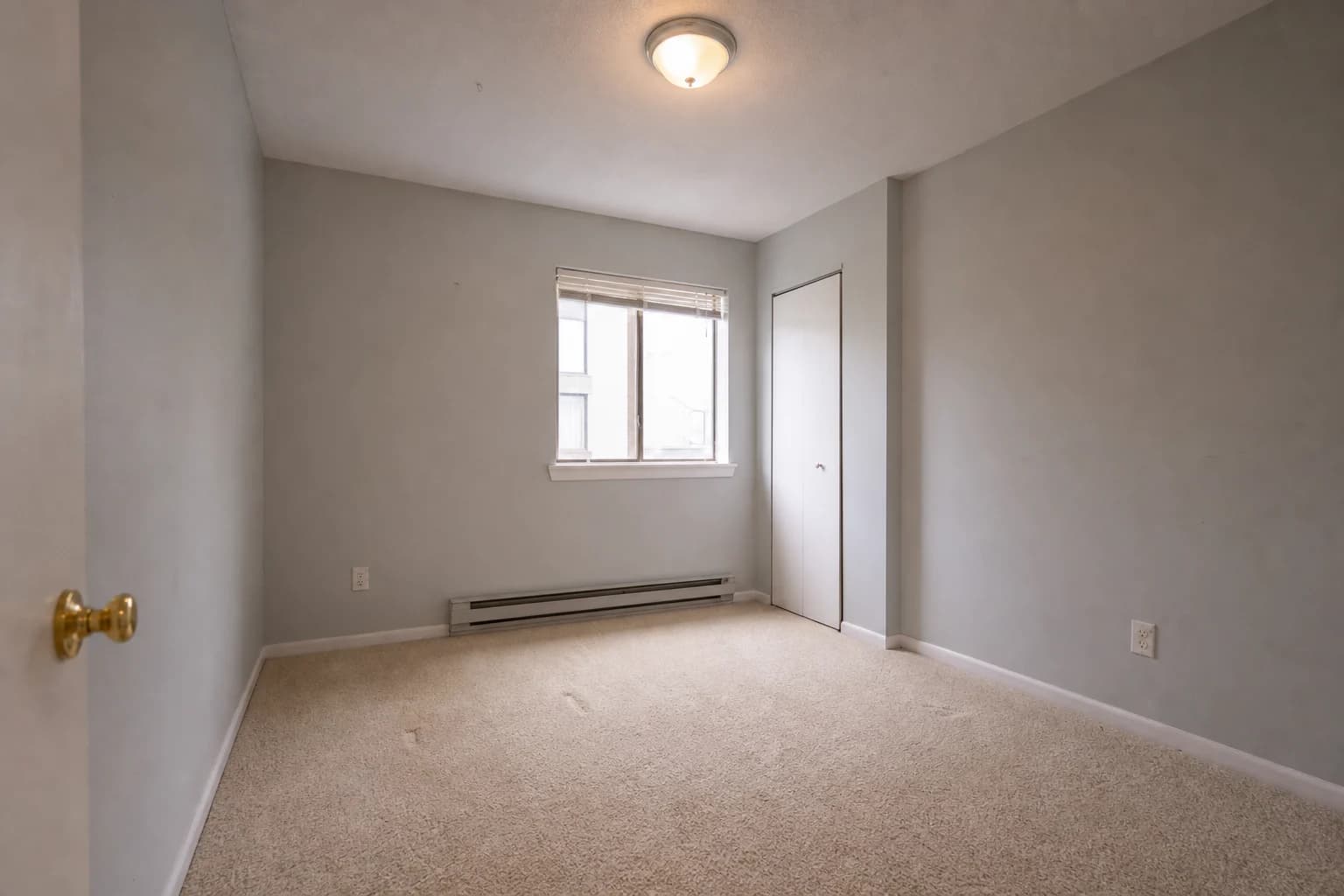
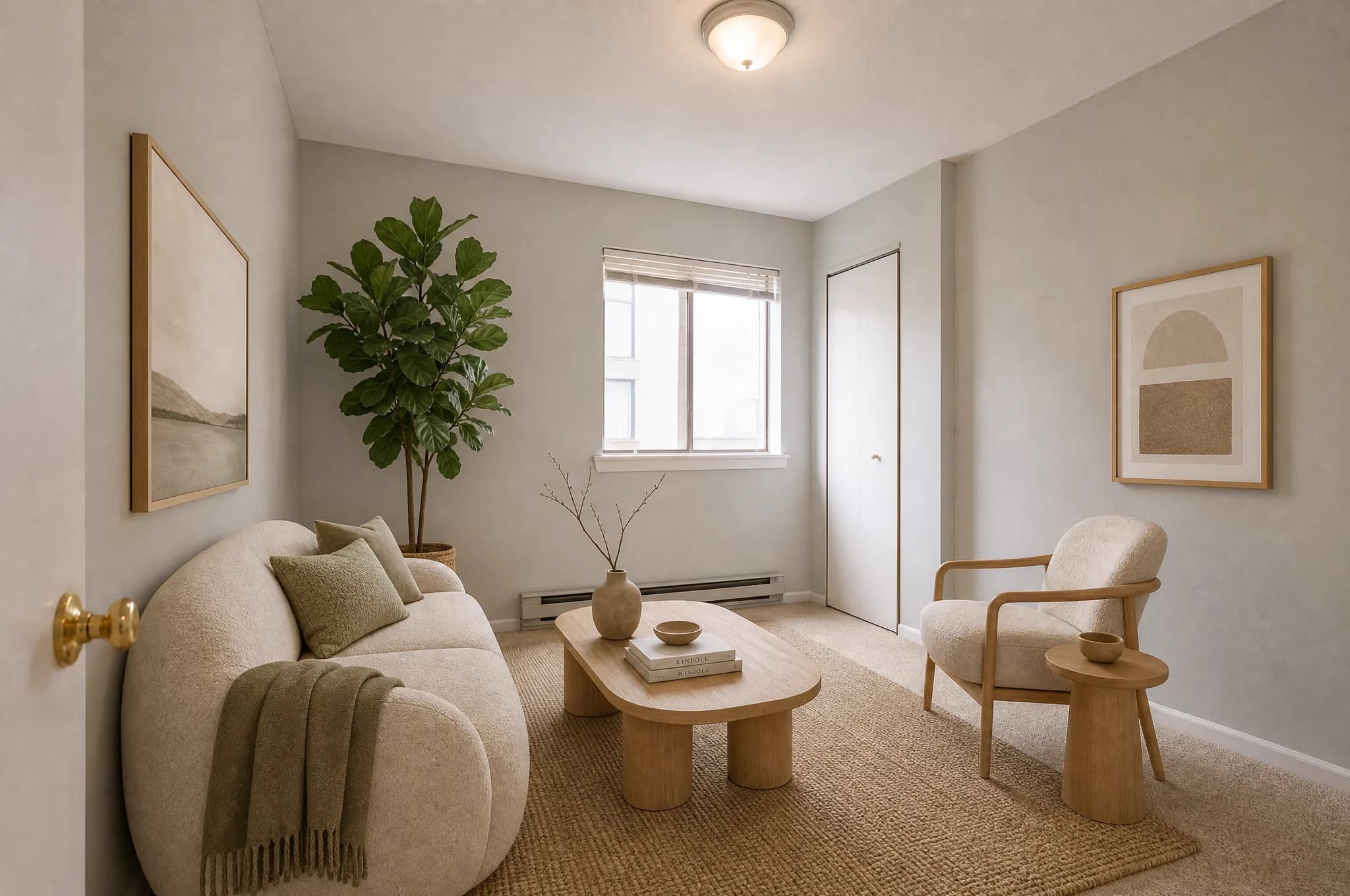
Start with the room whose purpose is hardest to read in the original photograph. Keep the edit only if it explains that purpose without changing the property. If two views show different furniture or the edit narrows a doorway, keep the original or have a human editor correct it. See the eight source/output pairs and our scoring method. This small, deliberately varied set is not a forecast of your acceptance rate.
What the Latest Home-Staging Research Says
The National Association of Realtors' 2025 survey is useful context, but it covers home staging overall. It does not isolate virtual staging or prove that edited photos caused a sale outcome.
The defensible conclusion is modest: staging can help some buyers understand a space, while outcomes vary by property, market, photo quality, and execution. See the 2025 NAR Profile of Home Staging for the full methodology and survey results.
See the Difference Yourself
A before-and-after comparison shows what the model added and what must be checked. This accepted test case is useful evidence, but it does not predict the result for a different room.
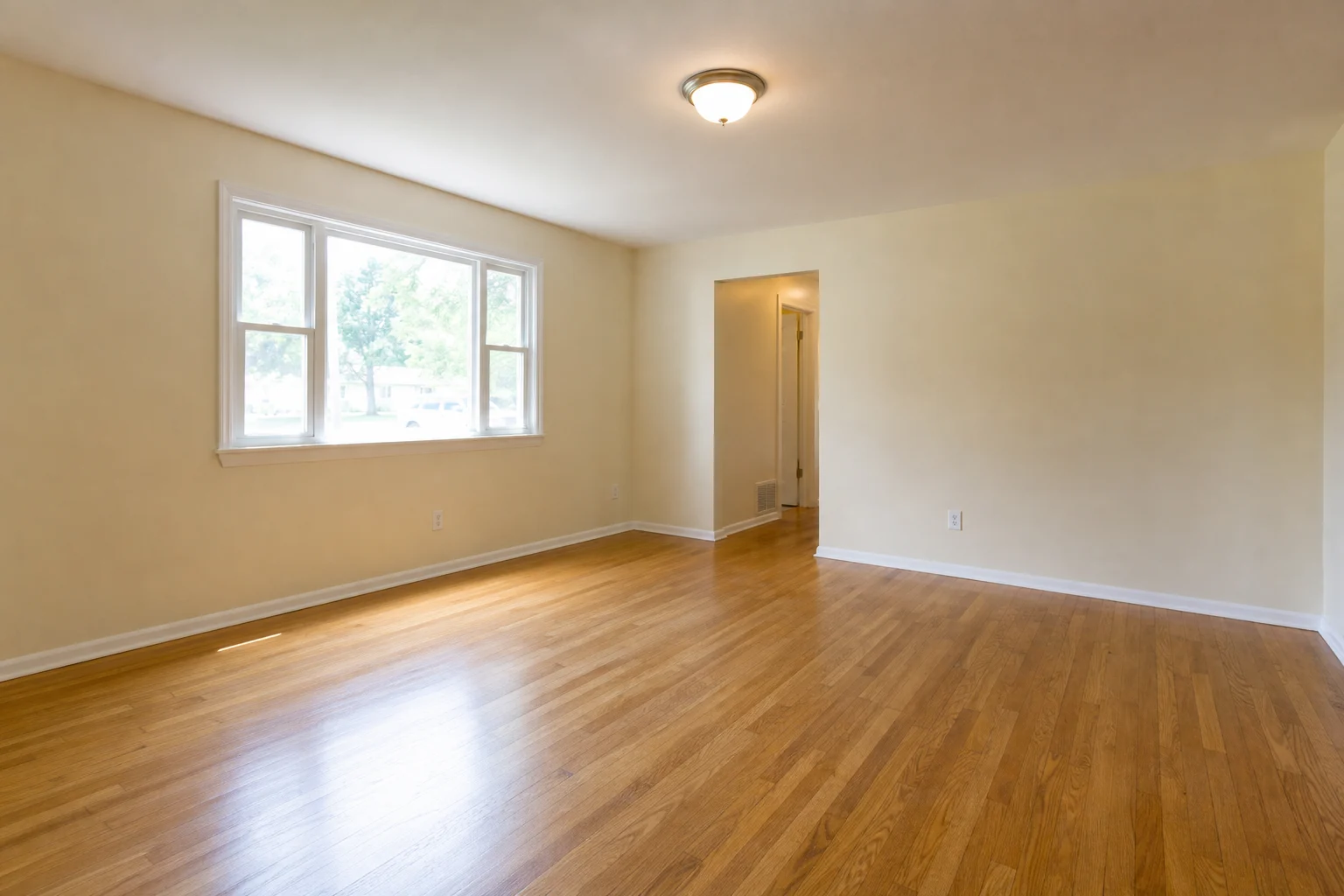

Drag the slider to compare test case VS-01 before and after
Review the complete open eight-image test to see all source files, raw outputs, timings, prompts, and verdicts. Three outputs were accepted, four needed regeneration, and one was rejected in that test set.
Calculate cost per usable photo, not per generation
A generation is an attempt, not a delivered listing photo. Divide your invoice by the number of images you actually accept, then account for your review time. Do not add an assumed increase in sale price to make the calculation look profitable.
Example: 20 Generations on the Starter Plan
| Photos accepted | Invoice per accepted photo |
|---|---|
| 5 | $1.98 |
| 10 | $0.99 |
| 20 | About $0.50 |
Unused credits do not reduce that month's invoice. For your first listing, test one living room and one bedroom before committing to a whole photo set. Check the current plan and credit limits before paying.
This is a cost comparison, not an apples-to-apples replacement: physical staging also affects in-person showings, while virtual staging changes listing images only. Track photo views, saves, showing requests, and days on market against similar listings before making a broader claim.
Virtual Staging vs Physical Staging: Which is Worth It?
| Factor | Virtual Staging | Physical Staging |
|---|---|---|
| Cost per listing | Depends on image count, versions, and provider | $1,500 median service spend (NAR 2025) |
| Turnaround | Often minutes; depends on the tool and job | Depends on the vendor, inventory, and delivery schedule |
| Style changes | Generate another version; usually uses another credit | Depends on the stager’s inventory and quote |
| In-person showings | Empty room | Staged room |
| Best for | Giving vacant-room photos visual context | Furnishing rooms for photos and showings |
The verdict: Virtual staging is worth testing when a vacant room is difficult to understand online and the original image can be preserved and disclosed. Physical staging is the more complete option when furnished in-person showings are part of the plan. Neither method guarantees a sale result.
When Virtual Staging is NOT Worth It
To be fair, there are some scenarios where virtual staging may not be the best choice (for the strongest ROI case, see our step-by-step guide to staging a vacant home with AI):
Already furnished homes
If the home has nice furniture, real photos may work better than removing and virtually re-staging.
The edit would hide a property condition
Staging should add removable furniture and decor, not conceal damage or materially change permanent features.
Showings need furnished rooms
If the marketing plan depends on the physical feel and flow of furnished spaces, editing the listing photos alone will not solve that need.
How to Get Started with Virtual Staging
If virtual staging fits the listing, use this review-first workflow. For a detailed feature comparison of tools, see our virtual staging software evaluation guide.
Try Agent Lens – AI Virtual Staging
Use Agent Lens in the web app or send a property photo from the Chrome extension. Choose a style, generate a version, and inspect walls, windows, fixtures, scale, and shadows before publishing it.
50 Starter-plan generations
Observed in our eight-image test
Check the dashboard for current options
Should I use virtual staging for my listing?
It is worth testing when a vacant room is difficult to understand in photos and the edit can be realistic and clearly disclosed. It is less useful for well-furnished rooms, listings where edits could mislead, or images with structural problems the software cannot represent accurately.