

Coastal Interior Design
Virtual Staging Ideas
Coastal staging transports buyers to a serene seaside retreat, regardless of the property's actual location. This style features airy, light-filled spaces with a palette of blues, whites, and sandy neutrals. Natural textures like rattan, jute, and weathered wood evoke the beach environment, while subtle nautical touches add character without overwhelming. Popular in vacation markets and waterfront properties, coastal staging appeals to buyers seeking relaxation and a perpetual vacation feel.
Key Design Elements
Color Palette
Materials
Browse Coastal Room Staging
See how coastal design transforms every room type with virtual staging.
Why Choose Coastal Staging?
Popular With
Buyers in coastal markets, vacation property seekers, and anyone who wants a relaxed, beach-inspired atmosphere.
Stage in Coastal Style
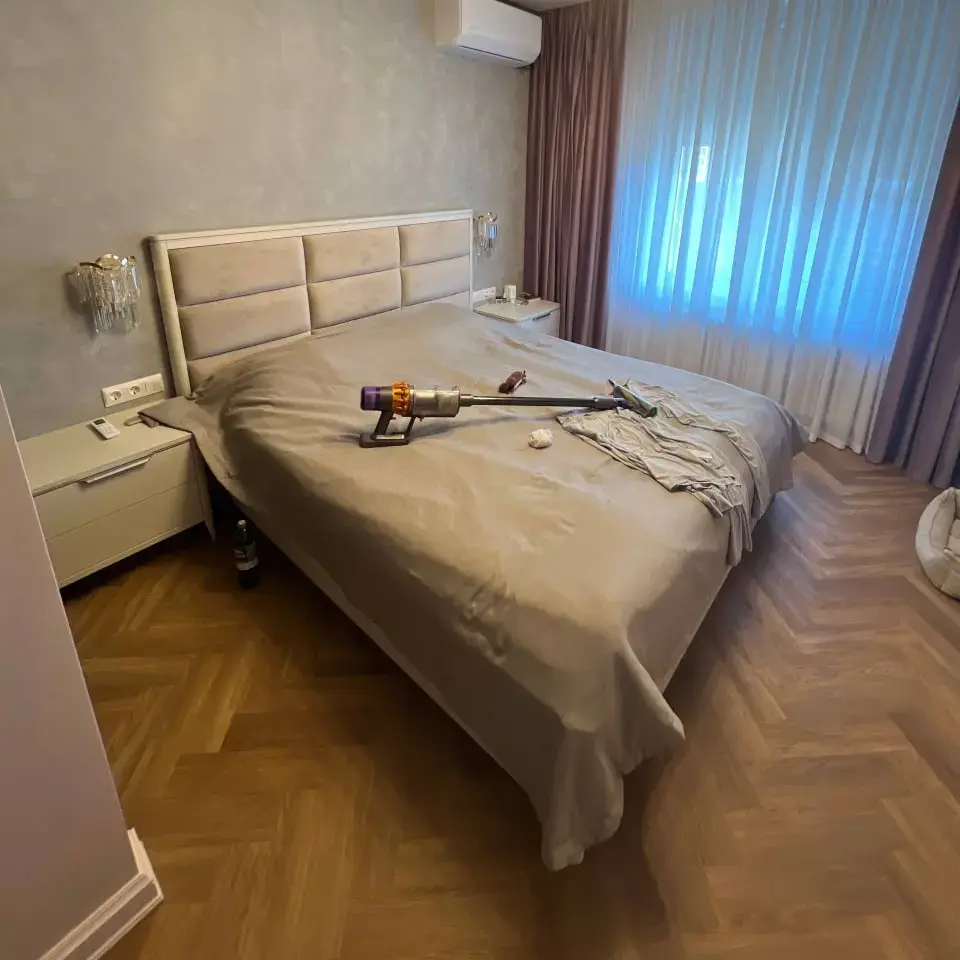
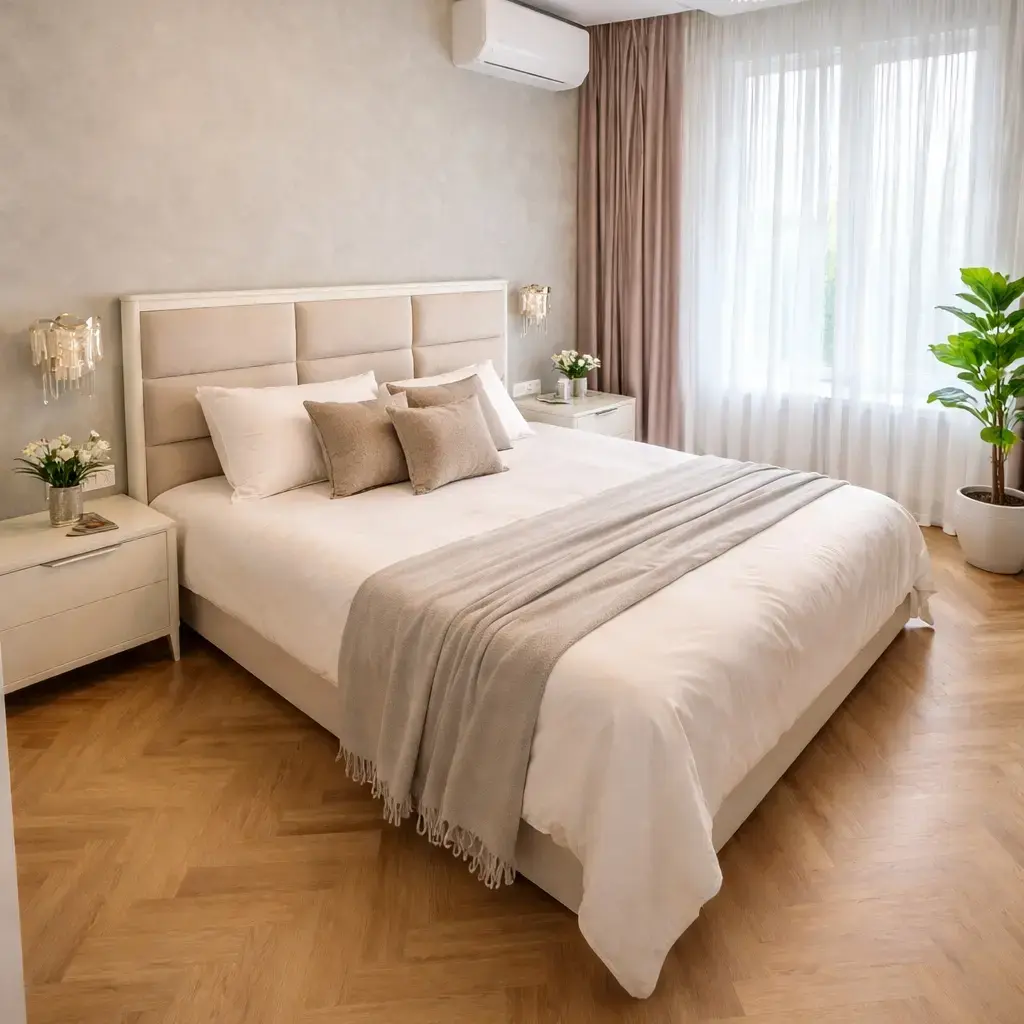
Transform empty rooms with coastal virtual staging. Photo-realistic results in 60 seconds.
About Coastal Design
Coastal interior design evokes the serenity and refreshing spirit of the ocean, making it a perennial favorite for homebuyers seeking a relaxed and inviting atmosphere. Born from seaside living, this style is more than just nautical clichés; it's an artful curation of light, texture, and color that whispers of sandy beaches and salty breezes. It's about creating a haven that feels both sophisticated and effortlessly comfortable, a space where one can unwind and reconnect with nature. Market trends show firsthand how a well-executed coastal design can transform a sterile house into a warm and welcoming home, particularly in markets like the Hamptons and Malibu where the lifestyle truly resonates.
Fundamentally, the design language of coastal style hinges on capturing the essence of the shore. Think sun-bleached hues like Benjamin Moore's 'White Dove' for walls, accented by the calming blues of Sherwin-Williams 'Sea Salt' and the sandy neutrals of Behr's 'Natural Linen'. Natural materials are key: woven seagrass rugs, linen upholstery, and driftwood accents bring texture and authenticity. The interplay of light is also paramount, so sheer curtains that allow sunlight to filter through are essential. This isn't just about aesthetics; it's about creating a sensory experience that mimics the tranquility of the ocean. When executed correctly, this creates a coastal style that is both elegant and inviting, avoiding the trap of overly themed or kitschy interpretations. This is especially important when considering coastal home staging – subtlety creates a more sophisticated and appealing result for prospective buyers.
Considering room-by-room application, the principles of coastal style translate beautifully, albeit with slight variations. In living rooms, a large, comfortable sectional sofa upholstered in linen or cotton is a must, paired with woven coffee tables and shell-adorned accessories. Bedrooms benefit from a calming color palette, with lightweight bedding and natural fiber rugs. Kitchens often feature white cabinetry, subway tile backsplashes, and butcher block countertops to evoke a breezy, open feel. Bathrooms can be transformed into spa-like retreats with the addition of natural stone accents, soft lighting, and luxurious towels. Each space should feel cohesive while still retaining its individual character. Remember, it's not about recreating a literal beach scene but rather about capturing the mood and feeling of coastal living.
Ultimately, coastal interior design possesses significant buyer appeal, particularly among those seeking a relaxed and comfortable lifestyle. It photographs exceptionally well for listings, showcasing bright, airy spaces that exude warmth and hospitality. The style creates an emotional connection during showings, allowing potential buyers to envision themselves living in a serene and inviting environment. Empty nesters, young families, and those drawn to waterfront properties are particularly receptive to this aesthetic. The key is to strike a balance between style and functionality, ensuring that the space is not only visually appealing but also practical and livable. Home stagers frequently use this style for its broad appeal and ability to create a positive first impression. Utilizing coastal home staging techniques can greatly improve the marketability of a property.
Now, with the advent of AI, virtual staging coastal spaces has become incredibly accessible. The advantage of virtual staging is the ability to experiment with different styles without the cost and commitment of physical renovations. Agents can use style options to attract different buyer segments, showcasing a property's potential to appeal to a broad range of tastes. Imagine showcasing a modern farmhouse coastal variation versus a traditional Cape Cod coastal – both can be achieved virtually! Virtual staging allows potential buyers to visualize the space in a way that resonates with their personal style, increasing their emotional connection to the property. This technology is particularly valuable for vacant properties or those in need of updating, allowing them to be presented in their best light. Because of this, virtual coastal design can yield a massive return by broadening buyer appeal.
Design Implementation Tips
Signature Element
Introduce a jute rug! This single element instantly establishes a coastal vibe in any room. The natural fiber adds texture and warmth, grounding the space while complementing the light and airy color palette. Opt for a larger size to define the area and create a sense of spaciousness. Consider layering it with a smaller, patterned rug for added visual interest and depth. Whether it's a living room, bedroom, or dining area, a jute rug is a versatile and affordable way to infuse the essence of coastal style.
Color Palette Secret
The secret is layering shades of blue and white, punctuated with pops of coral or seafoam green. Start with a base of crisp white walls, then introduce varying shades of blue through upholstery, artwork, and accessories. A deep navy blue can add a touch of sophistication, while a light, airy blue evokes the feeling of the ocean. The coral or seafoam accents provide a vibrant contrast, preventing the space from feeling too monochromatic. This creates a visually dynamic and inviting atmosphere that captures the essence of coastal living.
Budget Implementation
For cost-effective coastal staging, leverage virtual staging. Start by decluttering the physical space. Then, virtually add key elements such as light-colored furniture, natural fiber rugs, and coastal-themed artwork. Concentrate on high-impact areas like the living room and master bedroom. This allows you to showcase the property's potential without the expense of purchasing new furniture or accessories. High-quality virtual staging can transform an empty or dated space into a stylish coastal retreat, attracting more prospective buyers. Remember that virtual staging can show multiple design plans to appeal to a broader array of buyers.
Room Priority
The living room benefits most from coastal design. It's the heart of the home, the space where people gather and relax. Infusing it with coastal elements – comfortable seating, natural textures, and a calming color palette – immediately creates a welcoming and inviting atmosphere. Prioritize this room when implementing your coastal design strategy, using it as a showcase for the overall aesthetic. The living room sets the tone for the rest of the house, so creating a strong coastal vibe here will have the biggest impact on potential buyers.
Buyer Demographic Match
Empty nesters looking to downsize and embrace a more relaxed lifestyle are often strongly drawn to coastal style. This demographic appreciates the calming and inviting atmosphere, as well as the connection to nature. They often seek a comfortable and low-maintenance living space, making coastal design with its emphasis on natural materials and easy-care fabrics a perfect fit. Highlighting the style's ability to create a serene and welcoming haven will resonate with this particular buyer type.
Frequently Asked Questions
What is coastal interior design?
Coastal design creates a breezy, seaside feel using blues, whites, sandy neutrals, and natural textures like rattan, jute, and weathered wood. It's light, airy, and relaxed — evoking a permanent vacation vibe.
Does coastal staging work for non-beach properties?
Absolutely. Coastal staging works beautifully in any property with good natural light. Many inland buyers love the relaxed, calming coastal aesthetic — it's not limited to beachfront homes.
What rooms are best for coastal staging?
Living rooms, master bedrooms, bathrooms, and outdoor spaces (patios, decks) look stunning with coastal staging. These rooms benefit most from the light, airy feel of coastal design.
Where is coastal staging most popular?
Coastal staging is most popular in Florida, California, the Carolinas, and Hawaii. But it's also highly effective in lakefront, riverfront, and any property marketed as a lifestyle or vacation home.
How much does coastal virtual staging cost?
Coastal virtual staging with Agent Lens costs $0.10 per image. It's an affordable way to showcase the beach lifestyle that attracts premium buyers to waterfront and coastal properties.
Other Design Styles
Modern Design
Clean lines, minimalist furniture, neutral colors
Explore StyleContemporary Design
Current trends, bold accents, open spaces
Explore StyleTraditional Design
Classic elegance, warm colors, timeless appeal
Explore StyleFarmhouse Design
Rustic charm, shiplap, barn doors, cozy feel
Explore StyleScandinavian Design
Minimalist, functional, light wood, hygge
Explore StyleIndustrial Design
Exposed brick, metal, concrete, urban loft
Explore StyleMid-Century Modern Design
1950s-60s style, iconic furniture, retro
Explore StyleBohemian Design
Eclectic, colorful, global influences, relaxed
Explore StyleMinimalist Design
Less is more, clean, uncluttered, simple
Explore StyleLuxury Design
High-end finishes, designer furniture, upscale
Explore StyleTransitional Design
Blend of traditional and contemporary
Explore Style