


TL;DR for Busy Agents:
The Trap: Selling a hoarder home traditionally costs $6,000–$20,000 in cleanup and takes 3+ weeks.
The Hack: Don't clean it yet. Digitally excavate it. Use AI to "empty" the room for the MLS, sell the potential to retail buyers, and let the new owner handle the dumpster.
The Payoff: You save the seller cash, list in 24 hours (not 24 days), and avoid the 30% "Investor Price Cut."
You know the smell.
It hits you the second you open the lockbox—a thick mix of wet cardboard, cat litter, and 1995. You’re standing in a listing that is currently buried under four feet of National Geographics, broken furniture, and decades of "deferred decisions."
You know the bones are good. You know the neighborhood is hot. But you also know that if you put photos of this mess on the MLS, buyers will doom-scroll right past it.
In the past, you had two bad choices: Beg the seller to spend $15,000 on a junk removal crew (money they usually don’t have), or list it "As-Is" with dark, terrifying photos that scream "Money Pit."
But in 2026, there’s a third option. Stop trying to clean the hoard. Delete it.
Here is the "Digital First, Physical Later" blueprint for turning radioactive listings into bidding wars.
1. The Ruthless Math: Why Clutter Costs You 30%
Real estate investors don't buy homes based on feelings. They buy based on the 70% Rule.
The formula is simple: Max Offer = (After Repair Value x 0.70) – Repair Costs
Here is where the hoard kills you. When an investor walks into a house where they can't see the floor, they assume the worst. They assume the subfloor is rotted. They assume the foundation is cracked. They inflate their "Repair Costs" to cover the risk.
Scenario A (The Hoard): The investor pads the budget by $20,000 for "unknowns." Their offer drops.
Scenario B (The Digital Reveal): You use AI to show the room empty. You prove the walls are straight. You show the hardwood exists. The investor’s risk goes down, and their offer goes up.
By physically cleaning the house, you spend weeks. By digitally cleaning it, you spend seconds. And in a market where inventory is tight but rates are volatile, time is equity.
2. The Competitor Landscape: Why Old Tech Fails the "Hoard Test"
Most agents try to fix this with standard virtual staging tools. The problem? Those tools were built for vacant luxury condos, not disaster zones.
Here is the honest truth about the tools you’ve likely tried:
Tool | The Promise | The Reality for Hoarder Homes |
|---|---|---|
BoxBrownie | "Premium Edits" | Too Slow. You wait 24–48 hours for results. If you have a 30-photo listing, you’re stuck waiting days while the market moves. Plus, "item removal" gets expensive fast—up to $176 for complex renovation edits. |
Phixer | "High Volume" | Inconsistent. It’s a coin toss. One photo looks great; the next looks like a cartoon because different offshore editors handled them. Users frequently complain about color casts and "dark window pulls" that make rooms look gloomy. |
Styldod | "Budget Friendly" | The "Floating Furniture" Effect. Their 3D models often lack "contact shadows" (ambient occlusion), so the sofa looks like it’s hovering 6 inches off the floor. Buyers spot this instantly and feel tricked. |
The "Catfish" Problem Consumers have spent the last decade watching Marvel movies. They know what bad CGI looks like. If a sofa lacks a shadow, they don't think "bad photo"—they think "dishonest agent." You need a tool that doesn't just cover the mess, but mathematically rebuilds the room.
3. The Solution: Agent Lens (Your Digital Crew)
Agent Lens is different because it uses Generative Inpainting, not just 3D overlays.
When you delete a pile of trash in Agent Lens, the AI analyzes the pixels around it—the grain of the wood floor, the angle of the sunlight—and generates new pixels to fill the gap. It doesn't smudge the photo; it reconstructs the floor that should be there.
But you have to use the right mode. We see agents mess this up all the time. Here is your definitive guide to the Two Modes of Clutter Removal.
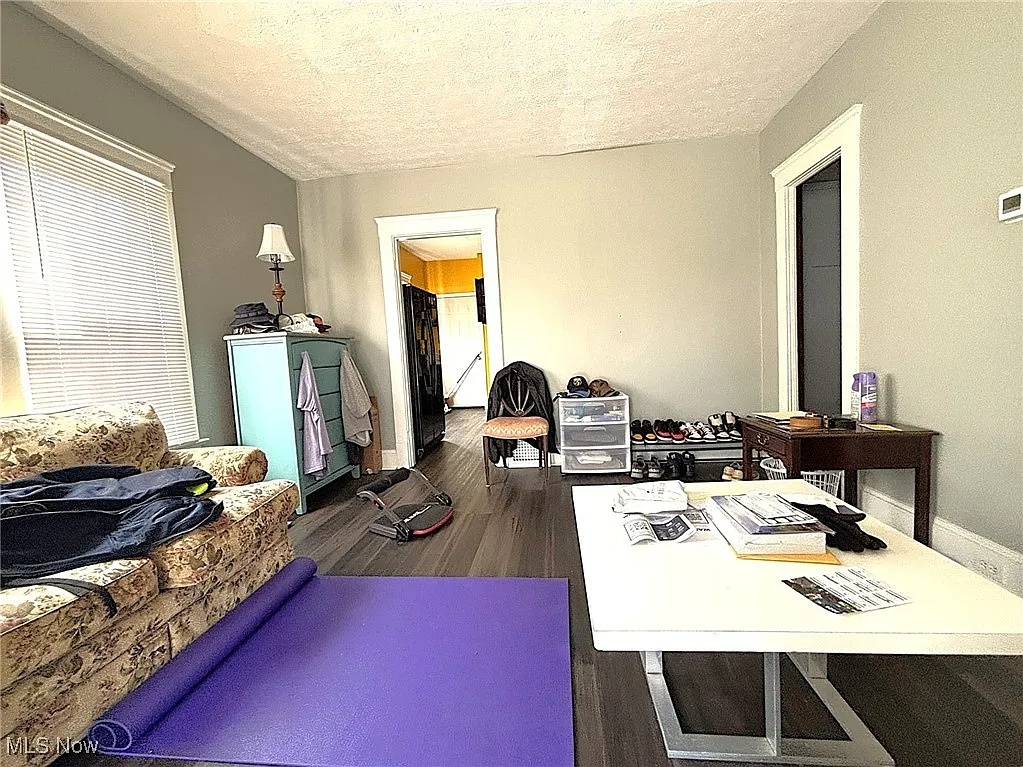
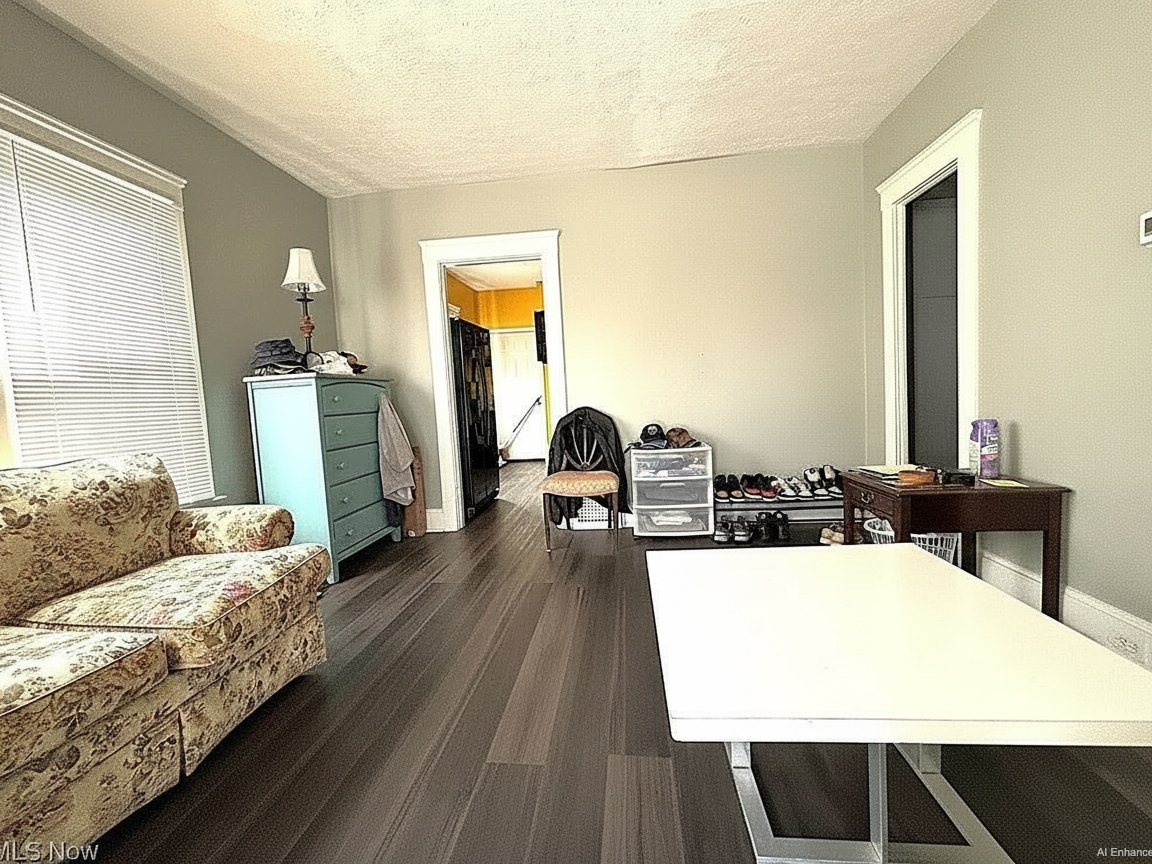
✅ Mode 6: Virtual Declutter
Best For: Occupied Homes, "Estate Condition," Messy Tenants.
Use this when the seller is still living there. You don't want to erase everything—you just want to erase the distraction.
What it does: It surgically removes the "noise" (stacks of paper, laundry, overflowing counters) but keeps the "soul" (the vintage rug, the piano, the large furniture).
The Win: It respects the seller. You aren't erasing their existence; you're just tidying up. It shows buyers, "This home is lived in, but spacious."
☢️ Mode 8: Magic Eraser - Empty Room
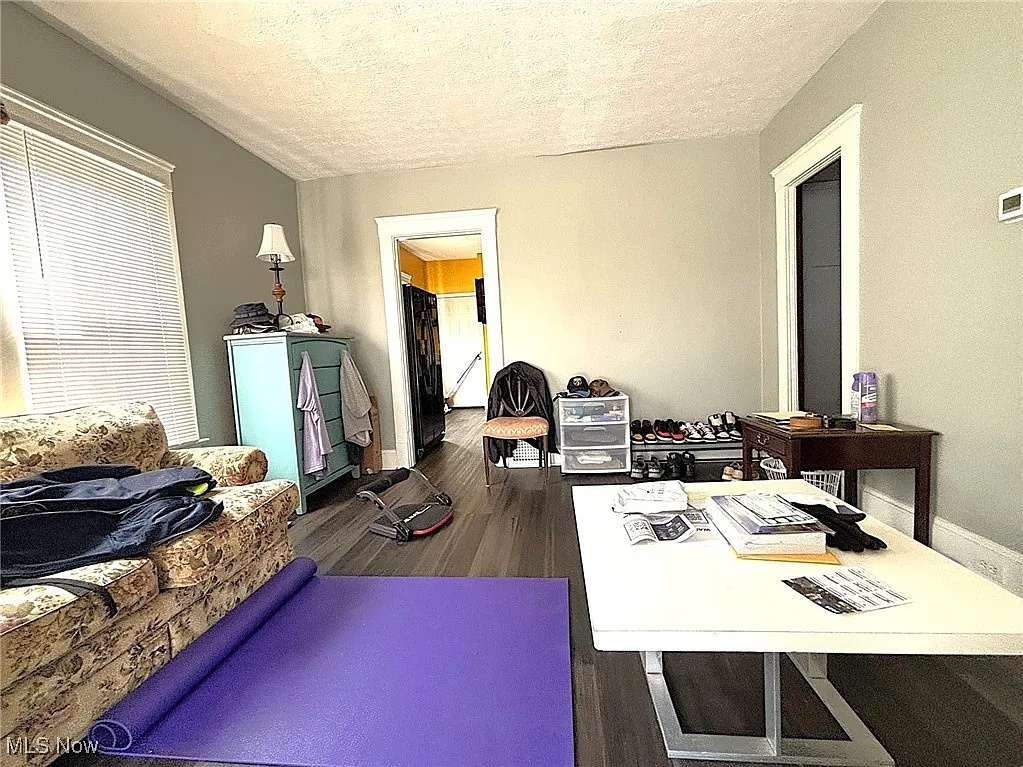
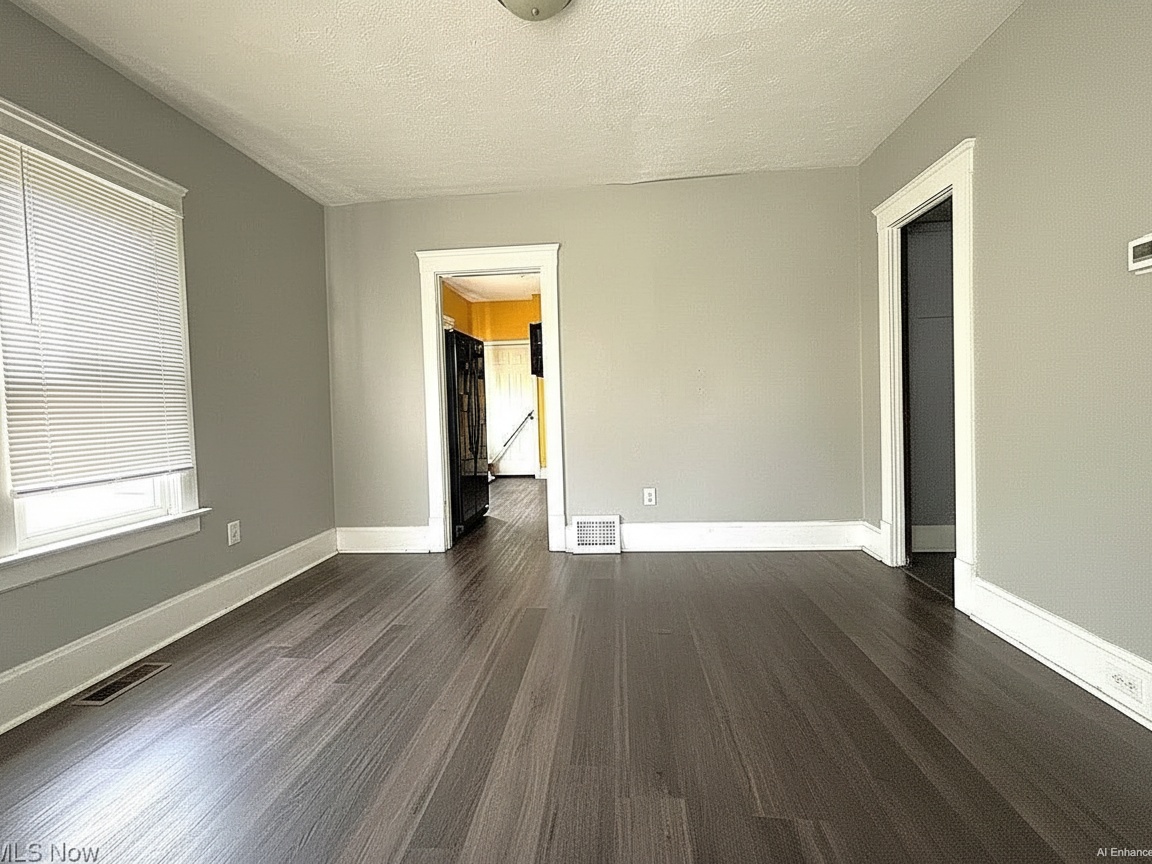
Best For: True Hoarders, Evictions, Animal Damage, Gut Jobs.
This is the nuclear option. When you can’t see the floor, use Mode 8.
What it does: It wipes the room to the studs. Furniture, trash, curtains, debris—gone. It leaves you with a blank canvas of walls, floor, and ceiling.
The Win: This is for the investor/flipper. They don't care about Grandma’s hutch. They want to see square footage.
Pro Tip: After you "Empty" the room with Mode 8, layer on Virtual Staging (Mid-Century Modern is hot right now) to show what it could be.
4. The Workflow: Digital First, Physical Later
Stop managing dumpsters. Start managing the listing.
Step 1: The "As-Is" Shoot Take photos of the house exactly as it is. Don't hide the mess. You need these for transparency.
Tip: Shoot wide. Get as much ceiling and corner in the frame as possible. This helps the AI map the room’s geometry.
Step 2: The Digital Excavation (15 Minutes) Sit in your car. Open the Agent Lens extension.
Load your worst living room photo.
Hit Mode 8: Magic Eraser - Empty Room.
Optional: If the walls look dingy after the trash is gone, hit Mode 5: Classic Mode to brighten the lighting and boost saturation by 15%.
Step 3: The "Slider" Reveal On the MLS and social media, use a "Before/After" format.
Caption: "Diamond in the rough! Property sold As-Is. Photos 2 & 3 have been digitally cleared to show the incredible floor plan hiding underneath. Bring your vision!"
Instagram Reel: Start with the hoard photo. Snap your fingers. Cut to the Agent Lens "Empty Room" photo. Text overlay: "Don't let the mess scare you."
Step 4: The Appraisal Defense This is the secret weapon. When the appraiser comes, they will be grossed out by the smell/sight too. This leads to low appraisals.
The Fix: Print the "AI Empty" photos and leave them on the counter (or email them). Show the appraiser: "I know it’s cluttered, but look at the effective square footage. The structure is standard; the debris is temporary." This anchors their valuation to the house, not the trash.
5. Overcoming the "Is This Lying?" Objection
We get this question a lot. "Isn't showing a clean room when it's actually dirty... fraud?"
No. It's visualization. But you have to follow the rules.
Rule #1: The Watermark. Always check the box to add the "Virtually Staged" watermark.
Rule #2: The Side-by-Side. Never post only the clean photo. That is a bait-and-switch. Always pair it with the "As-Is" photo.
Rule #3: Material Facts. You can delete a pizza box. You cannot delete a hole in the wall.
The Gray Area: If you use Mode 8 to empty a room, and you suspect the carpet under the trash is ruined, disclose it. "Flooring likely needs replacement." Use AI to reveal potential, not to conceal defects.
The Bottom Line
For the last decade, the "Hoarder House" was the file you pushed to the bottom of the stack. It meant awkward conversations, upfront costs, and a guaranteed valuation penalty.
That era is over.
You are not a janitor; you are a visionary. Your job is to show a buyer what can be, not just what is. In a market starved for inventory, the agent who can visually erase the debris is the agent who controls the equity.
Don't let a messy living room kill a $500,000 deal. Open the app, clear the room, and let the house speak for itself.
Ready to try it? Install Agent Lens Extension – Get 3 Free Credits
Free Real Estate Tools
Explore our free calculators and AI tools for agents:
Transform Your Listings with AI
Apply professional virtual staging and enhancements in seconds. Start transforming your listings today.
Explore Virtual Staging Options
Start with our most popular room & style combinations: