

Introduction
In 2026, the "decision moment" happens before the car is even in "Park."
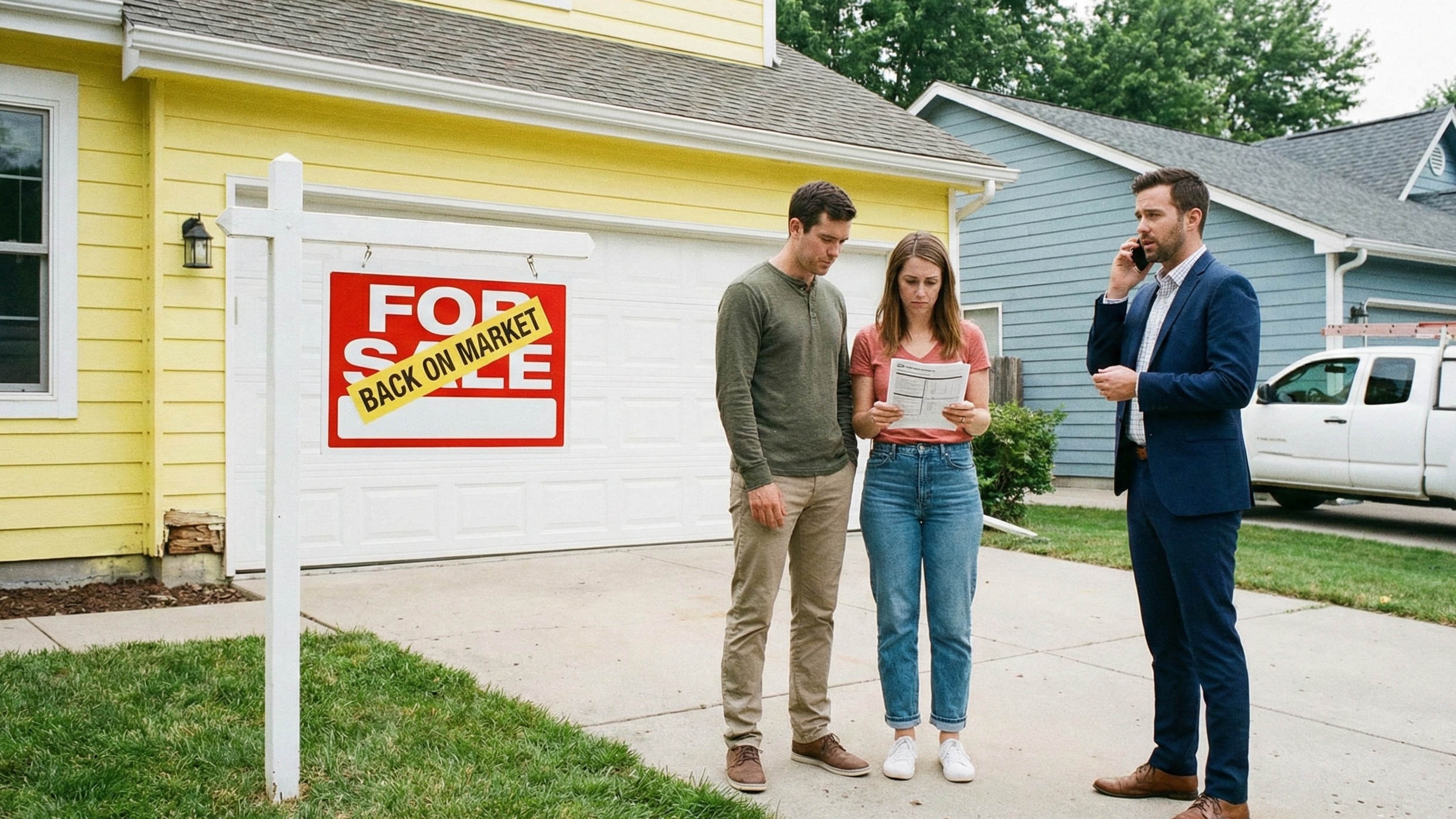
Buyers today are cash-poor and risk-averse. When they pull up to a home with peeling beige siding or blistered brick, they don't see a "fixer-upper." They see a money pit. They calculate the renovation cost, triple it, and then deduct that number from their offer.
As an agent or investor, your instinct is to slap a fresh coat of "flip gray" on the exterior to bridge that gap. Stop. If you paint dark gray over vinyl, you might melt the siding. If you seal an old brick facade with latex, you could shatter the masonry.
Exterior failures aren't just cosmetic; they are chemical warfare. Below are the five most expensive paint mistakes we see in the field, the science behind why they happen, and how to visualize the right solution instantly.
1. The High Stakes of Exterior Aesthetics
Paint isn't cosmetic. It’s armor.
Ignoring the exterior condition is an active devaluation of the property. According to the 2026 Remodeling Impact Report by NAR and NARI, 46% of homebuyers are less willing to compromise on condition than they were two years ago. They want turnkey.
The data backs up the investment:
Exterior Painting ROI: A professional job yields an ROI of 51% to 107%, potentially adding $16,000+ in resale value.
The "Joy Score": NAR rates exterior painting at a massive 9.8 out of 10 for owner satisfaction.
Siding Replacement: If you ignore the paint and the siding fails, you’re looking at an 86% cost recovery on fiber cement—meaning you lose 14% of your cash.
You are selling confidence. A crisp, intact exterior tells the buyer the home was loved. A failing exterior screams neglect.
2. Failure Mode 1: The Vinyl Meltdown (Adhesion Loss & Warping)
This is the most common disaster we see in the flip market. You buy a house with faded yellow vinyl. You want to modernize it with a trendy "Iron Ore" or charcoal gray.
If you do this wrong, the siding will literally melt off the house.
The Science: Heat Distortion
Vinyl siding (PVC) is a thermoplastic. It moves. When you paint light vinyl a dark color, it absorbs massive amounts of solar energy. Standard vinyl starts to warp at about 160°F—a temperature easily reached on a dark south-facing wall.
The siding expands faster than the nailing hem allows. It buckles. It ripples like bacon. Once it warps, you can't fix it. You have to re-side the house.
PRO TIP: Check the LRV
Before buying paint, check the Light Reflectance Value (LRV) on the back of the color chip. It’s a scale from 0 (Black) to 100 (White).
The Rule: Never use a paint with an LRV lower than 55 on vinyl unless it is specifically labeled "Vinyl Safe".
The Exception: "Vinyl Safe" palettes use special pigments that reflect infrared heat even in dark colors, keeping the PVC cool.
Diagnosis Checklist
The Look: Warped, wavy panels that look like "oil canning." Peeling in large sheets.
The Cause: Thermal expansion (dark paint on light vinyl) or low surface energy (paint didn't stick).
The Fix: If warped: Full replacement. If peeling: Power wash, remove chalk, and use a 100% Acrylic latex (urethane-modified is best).
3. Failure Mode 2: The Masonry Trap (Blistering & Spalling)
"Whitewashed" brick is a massive trend. But brick is a sponge—it needs to breathe. If you use the wrong paint, you create a plastic bag around the house.
The "Plastic Bag" Effect
Water gets into brick from the ground (rising damp) or the interior (humidity). In an unpainted wall, it evaporates. When you coat it with a thick, standard exterior latex, you trap that moisture.
The sun hits the wall, turns the trapped water into vapor, and the gas pressure pushes the paint off the brick.
The Nightmare: Spalling
In freezing climates, trapped wet brick freezes. Water expands by 9% when it turns to ice. This shatters the face of the brick (spalling), causing structural damage that costs thousands to repair.
Diagnosis Checklist
The Look: Bubbles (blisters) in the paint. When popped, they are often dry or gritty. Crumbling brick faces.
The Cause: Hydrostatic pressure from trapped moisture.
The Fix: Never use standard latex on brick. Use a Mineral Silicate Paint (like Keim or Romabio). It chemically bonds (petrifies) with the masonry and stays 100% breathable.
4. Failure Mode 3: The Chalking Plague (Binder Degradation)
Rub your hand on old siding. Is your palm covered in white powder? That’s not dirt. It’s the dead body of the paint.
The Chemistry: UV vs. Resin
Paint consists of pigment (color) and binder (glue). Cheap paints use "Vinyl-Acrylic" binders. UV rays chop up these chemical bonds. As the binder fails, it releases the pigment as dust.
This kills your curb appeal because it makes the color look faded and washed out.
Diagnosis Checklist
The Look: Faded color. White powder transfers to your hand (The Tape Test).
The Cause: UV degradation of low-quality binder resin.
The Fix: Pressure wash until water runs clear (paint won't stick to chalk). Repaint with 100% Acrylic or, for extreme durability, a Kynar 500 (PVDF) coating.
5. Failure Mode 4: The Alligator Skin (Incompatibility)
"Alligatoring" looks like reptile scales—deep, patterned cracks.
The Mechanism: Flexibility Mismatch
This happens when you layer materials that move at different speeds.
Oil over Latex: You put a hard, brittle oil paint over a flexible latex primer. The latex stretches; the oil snaps.
The "Rush Job": You apply a second coat before the first one is dry. The bottom layer shrinks as it cures, pulling the top layer apart.
Diagnosis Checklist
The Look: Patterned cracking resembling alligator scales.
The Cause: Application error or incompatibility (Hard coating over soft coating).
The Fix: Scrape or sand down to the substrate. Use a high-quality bonding primer. Follow re-coat times religiously.
6. The "Phantom Color" (Metamerism) & The Visualization Fix
You picked a "warm beige." You painted the house. Now, in the evening sun, it looks pink. The seller hates it.
This is Metamerism—colors shifting based on the light source. It’s the number one reason for costly repaints.
The Old Way: Guesswork & Bad Apps
Trying to predict this with legacy tools is a nightmare:
Behr ColorSmart: Users constantly complain that grays scan as "salmon pink" and the app crashes during sharing.
Sherwin-Williams Match Pro: Great concept, but pros report constant Bluetooth connectivity drops in the field.
Benjamin Moore: Their visualizer requires you to manually "mask" the photo with your finger. One user review sums it up: "Too stupid to select wall vs trim".
BoxBrownie: High quality, but slow. You pay $24+ per image and wait 24 hours. You can't iterate on the fly.
The New Way: Visualizing with Agent Lens
You need to see the "After" before you buy the paint. This is where Agent Lens changes the workflow. instead of waiting days or struggling with manual masking, you use AI to test concepts instantly.
Agent Lens runs directly in your browser and costs pennies compared to manual editing (approx $0.20/image on the Pro plan).
The Workflow for Exterior Issues:
Ugly/Peeling Paint: Use 'Exterior Makeover' mode. It reads the architecture (rooflines, windows) and applies a fresh skin—try "Modern Farmhouse" or "Organic Modern" to see how different colors react to the home's lighting.
Messy Yard/Bad Weather: Use 'Curb Appeal Pro'. It fixes the sky and greens the grass without altering the house paint—perfect for honest listing photos.
Junk on the Porch: Use 'Virtual Declutter' to wipe away trash cans and old furniture so the buyer can actually see the porch condition.
Want to test this? Agent Lens offers 3 free credits on signup—no credit card required.
7. 2026 Trend Forecast: Chemical Suitability
Once you've diagnosed the surface and visualized the fix, pick a color that sells.
The Shift to "Earthy & Organic"
The "Cool Gray" era is dead. 2026 is about warmth.
Greens: Sage and Olive tones (Sherwin-Williams Clary Sage, Benjamin Moore Ashwood Moss) are huge. They hide dirt and blend with landscaping.
Warm Neutrals: Think "Mushroom" or Taupe.
Moody Accents: Deep Bronze or Iron Ore for trim.
Caution: If choosing those deep accents for vinyl trim, remember the Pro Tip from Section 2. Use a vinyl-safe formula or you will melt the window trim.
Conclusion: Don't Guess. Visualize.
Peeling, warping, and blistering are not accidents. They are the physics of ignoring materials. In a market where perceived value is everything, you cannot afford a "trial and error" approach to curb appeal.
Your workflow for 2026 is simple:
Diagnose: Use the checklists above. Is it chalking? Is the brick breathing?
Visualize: Don't spend $5,000 on paint to see if it works. Use Agent Lens to test "Modern Farmhouse" vs. "Organic Modern" on the facade in seconds.
Execute: Hire a pro who knows the difference between a silicate mineral bond and a latex film.
Bridge the imagination gap virtually, then fix the reality physically.
Ready to upgrade your marketing?
Free Real Estate Tools
Explore our free calculators and AI tools for agents:
Transform Your Listings with AI
Apply professional virtual staging and enhancements in seconds. Start transforming your listings today.
Explore Virtual Staging Options
Start with our most popular room & style combinations: