

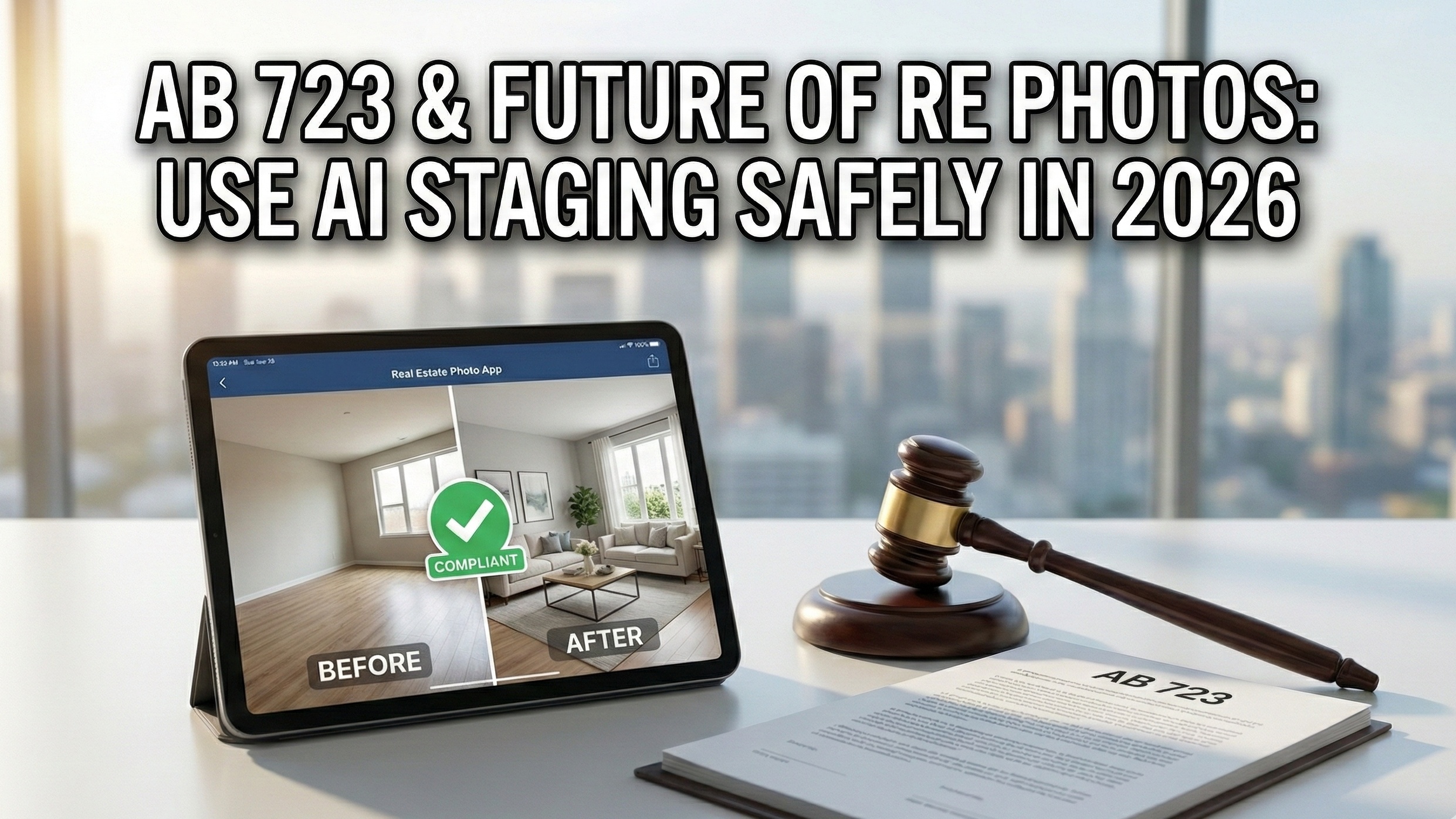
Part I: Welcome to 2026 – The End of the "Wild West"
The "Wild West" of real estate photography is officially over. For years, the industry operated in a gray zone—brightening skies, removing power lines, and digitally staging empty rooms without a second thought. But as of January 1, 2026, the rules of engagement have changed.
The implementation of real estate photo laws 2026 has shifted the landscape from "buyer beware" to "agent disclose." The center of this shift is California Assembly Bill 723 (AB 723). This law doesn't ban AI tools—it regulates them. It demands that if you alter reality, you must admit it.
Ignoring this isn't just an ethics violation anymore; it’s a statutory offense. Whether you are a solo agent or a brokerage head, understanding the nuance of California AB 723 disclosure is now as important as your listing agreement.
The "Material Fact" Test: What is Actually Illegal?
Many agents are panicking, asking, "Can I still edit my photos?" The answer is yes, but you need to know where the line is drawn. AB 723 distinguishes between "enhancement" (making it viewable) and "alteration" (changing the physical truth).
To stay compliant, apply the "Material Fact" test using this checklist:
🟢 GREEN LIGHT (Permissible Enhancements)
These generally do NOT require disclosure.
Lighting Adjustments: Brightness, contrast, and white balance correction.
Angle Correction: Straightening vertical lines.
Temporary Clutter Removal: Removing a parked car, a trash can, or a messy countertop (items that are chattel, not fixtures).
Blue Sky Replacement: Permissible if it represents a realistic view (don't put a sunset in a north-facing window).
🔴 RED LIGHT (Regulated Alterations)
These REQUIRE a digitally altered image disclosure and access to the original file.
Removing Permanent Fixtures: Erasing power lines, telephone poles, or fire hydrants.
Structural Changes: Fixing cracks in the driveway, smoothing out wall textures, or removing a window AC unit.
Changing Materials: Changing wall colors (e.g., to "Sage Slate"), replacing carpet with hardwood, or "greening" dead brown grass.
Part II: The High Cost of Non-Compliance
Why is the state cracking down now? It comes down to truth in advertising real estate. As AI tools like Generative Fill became cheap and instant, the line between "potential" and "deception" vanished.
Under the new property photo manipulation laws, a photograph is no longer just art; it is a representation of material fact. If you use AI to "heal" a water stain on a ceiling and don't disclose it, you aren't just editing a photo—you are concealing a material defect.
The penalties are real:
DRE Citations: Fines up to $2,500 per violation.
Civil Liability: Buyers suing for fraud because the home didn't match the listing.
Criminal Misdemeanor: Willful violation of false advertising statutes can lead to jail time (though rare, the statute exists).
This is where AI real estate ethics meets the law. Transparency is your only safety net.
Part III: The "Twin-Asset" Workflow for 2026
The most technically challenging part of AB 723 is the requirement to provide access to the original, unaltered image. You can no longer just save your final edits and delete the raws.
To manage this, savvy agents are adopting the "Twin-Asset" System. Every listing photo that goes through AI staging must have a partner file.
The 3-Step Compliance Protocol
Capture & Store (The Source):
Save your original, unedited JPEGs in a permanent cloud folder labeled [Address]_ORIGINAL. Do not delete these.Process & Stage (The Derivative):
Use your AI tool (like Agent Lens) to stage the room. Save this file as [Address]_STAGED. Ensure your tool allows you to "lock" permanent fixtures so you don't accidentally remove a vent or outlet.Link & Disclose:
In the MLS: Upload the Staged photo first, followed immediately by the Original photo in the carousel.
In Print/Flyers: Use a QR code that links to the _ORIGINAL folder.
The Caption: Explicitly state: "Images 1, 3, and 5 are virtually staged. Originals provided for comparison."
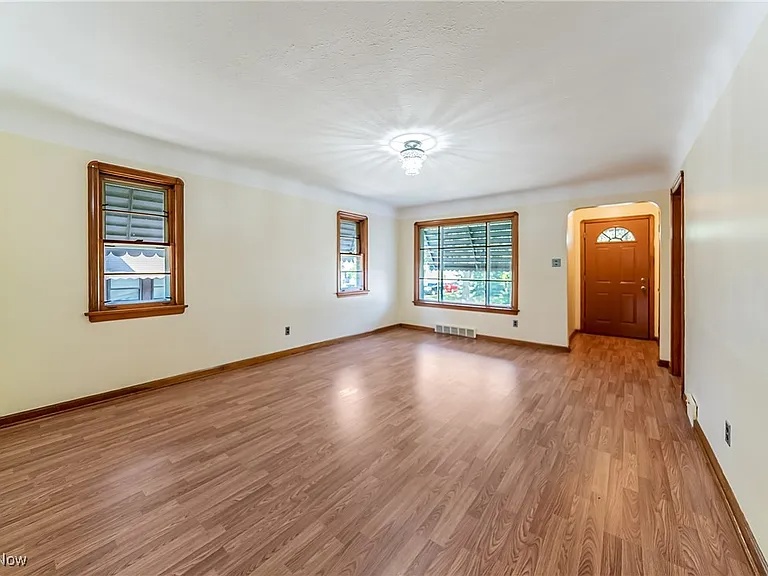
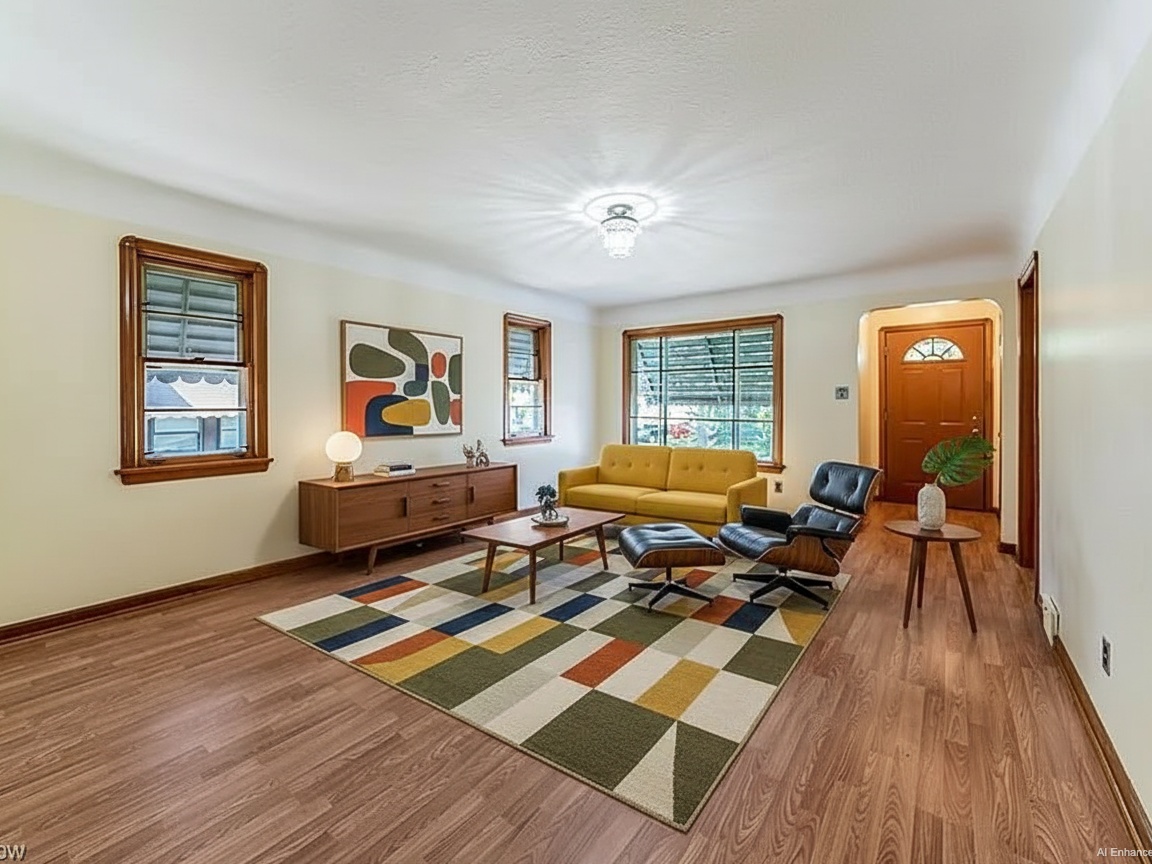
Agent Lens automates the Twin-Asset workflow inside your browser, keeping your originals safe without the manual drag-and-drop.
Part IV: Technology as Your Safety Net
Not all AI tools are created equal. In 2026, using a generic "magic eraser" on your phone is risky because it often hallucinates—inventing textures or removing essential structural details without you noticing.
Why Specialized Tools Win:
Platforms built for real estate, like Agent Lens, are designed with property photo manipulation laws in mind.
Structured Modes: Unlike wild generative AI, Agent Lens has specific modes for "Virtual Staging" (adding furniture) vs. "Renovation" (changing floors).
Audit Trails: It helps you organize the "Before" and "After" shots automatically, streamlining the Twin-Asset workflow.
No "Hallucinations": It respects the geometry of the room, ensuring you don't accidentally violate AI real estate ethics by creating a window where a wall should be.
Part V: Strategic Staging – Selling the Vision Legally
Compliance doesn't mean your photos have to be boring. In fact, AB 723 frees you to be more creative. Since you are disclosing the edit, you can lean into bold design trends to capture attention.
2026 Design Trends to Leverage:
Organic Modern: Use AI to fill cold, empty rooms with warm wood tones, curved sofas, and boucle textures.
Biophilic Design: Add virtual fiddle leaf figs or olive trees to breathe life into a space.
The "Sage Slate" Accent: Virtually paint a feature wall in 2026’s trending earthy-green to show the home's potential.
Conclusion: Compliance is Your Competitive Edge
The era of the "fake" photo is over; the era of the "transparent vision" has begun. Don't let the new California AB 723 disclosure rules scare you away from using AI. Buyers still demand magazine-quality visuals, and you can't afford to physically stage every listing.
The winning strategy for 2026 is simple: Embrace the tech, respect the law, and keep the receipts. By using the right tools and the Twin-Asset workflow, you protect your license while still delivering the stunning visuals that sell homes.
Free Real Estate Tools
Explore our free calculators and AI tools for agents:
Transform Your Listings with AI
Apply professional virtual staging and enhancements in seconds. Start transforming your listings today.
Explore Virtual Staging Options
Start with our most popular room & style combinations: