

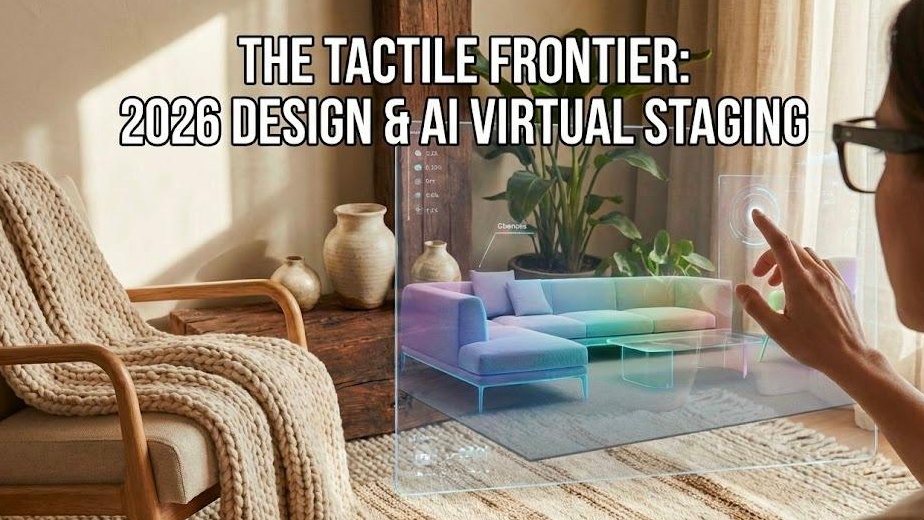
The intersection of residential real estate marketing, interior design psychology, and advanced visualization technology has reached a critical inflection point. As the industry approaches 2025, two distinct phenomena are colliding: a decisive aesthetic pivot toward high-texture interior design—characterized by "Warm Maximalism" and "Organic Modern" styles—and the rapid democratization of Artificial Intelligence (AI) in virtual staging.
This report explores the "Texture Gap": a technological valley where the inability of current commodity AI models to accurately render complex materials (like velvet and rattan) risks alienating buyers. We analyze the physics of light, the psychology of touch, and the operational strategies top-tier agents must adopt to navigate this shift.
Part I: The Sensory Shift in Residential Real Estate
1. The Death of the "Gray Box"
The era of sterilized, hospital-grade minimalism is effectively over. If the design trends of the early 2020s were defined by a desperate need for cleanliness and predictability, 2025 is the year the human eye demands friction. We are witnessing a "tactile rebellion"—a visceral rejection of smooth, flat surfaces in favor of the rough, the plush, and the complex.
This phenomenon is rooted in "Visuotactile Perception." Research into neuroaesthetics suggests that when a buyer views a high-resolution image of a texture, their somatosensory cortex (the part of the brain responsible for touch) lights up. They "feel" the room before they step foot in it.
2. The 2025 Material Palette
To understand the challenge for virtual staging, we must first identify the materials dominating the 2025 forecast:
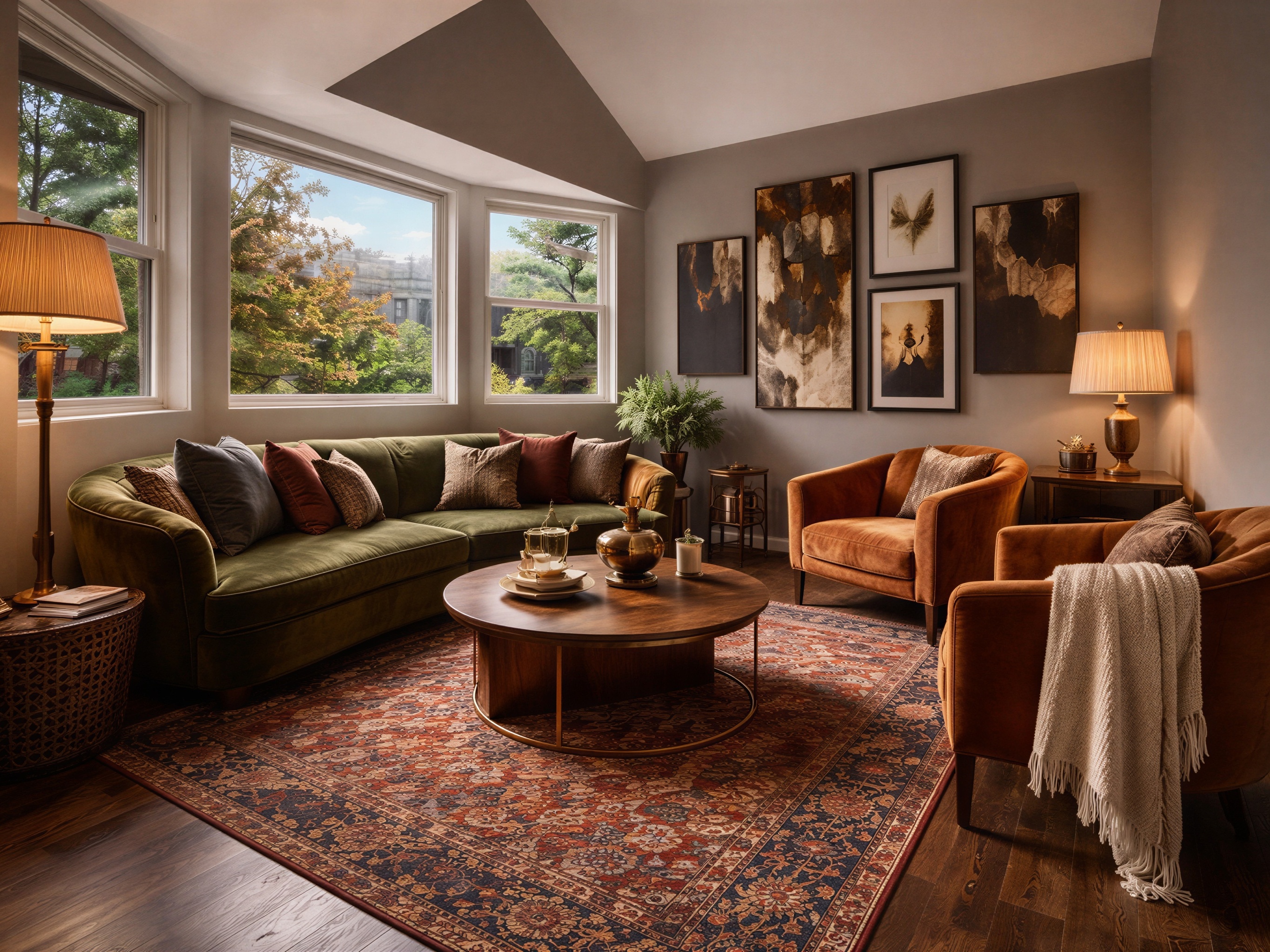
Architectural Velvet: Not the shiny synthetic of the past, but deep-pile, light-absorbing fabrics in earthy umbers and moss greens. These materials anchor a room, signaling warmth and safety.
The Rattan Renaissance: Moving beyond the sunroom, woven woods are entering high-end living spaces to provide "organic transparency."
Bouclé & Wool: Chaotic, looped yarns that break up the visual monotony of modern furniture.
The challenge? These are the three hardest materials for a computer to draw.
Part II: The Physics of Fake Luxury (Why AI Fails)
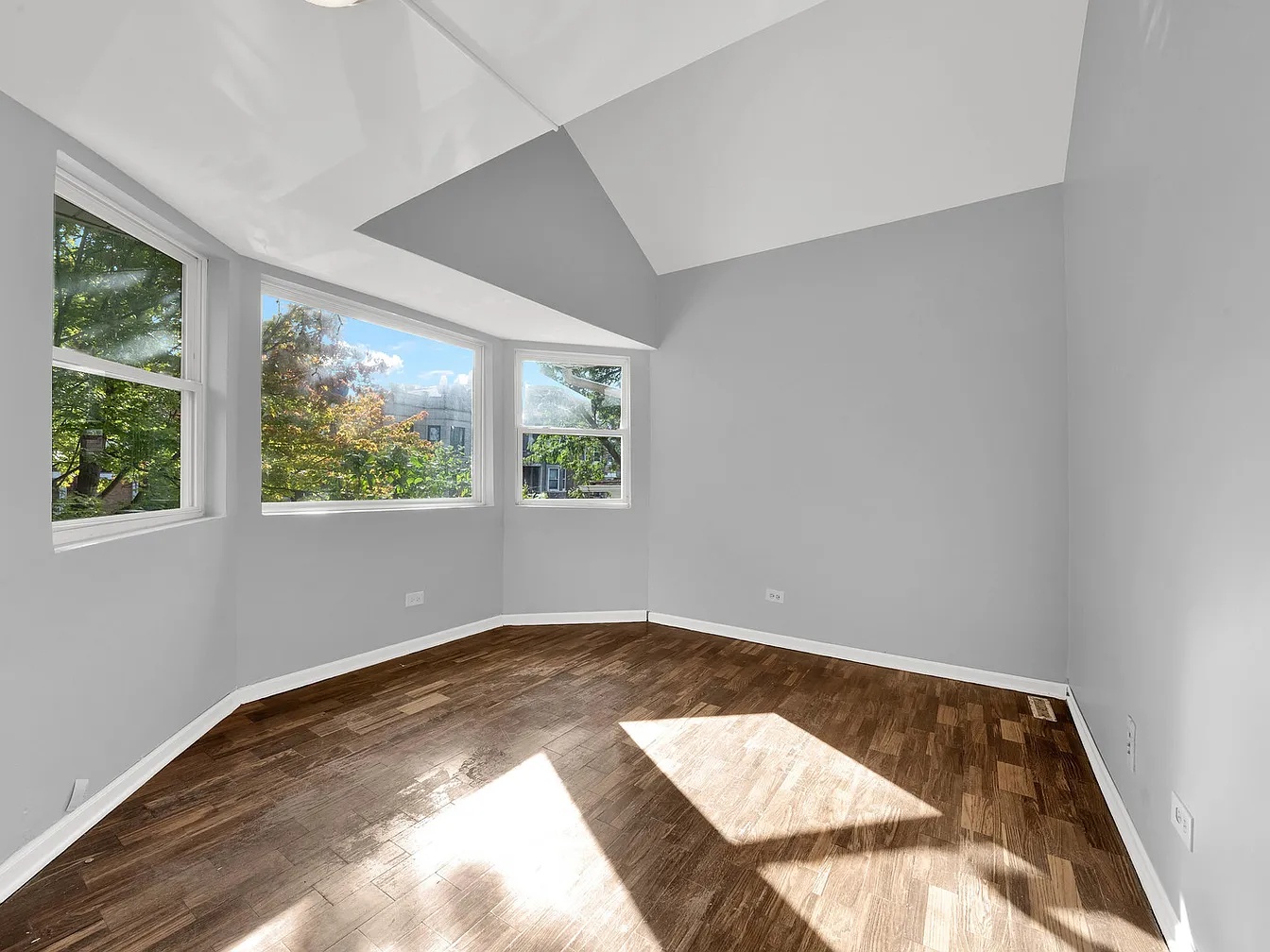
The democratization of generative AI has flooded the market with cheap virtual staging ($10-$20/image). While these tools excel at placing a generic gray sofa in an empty room, they frequently fail the "Physics Test" required by 2025’s high-texture trends.
1. The Velvet Paradox: Anisotropy vs. Plastic
Velvet is the ultimate stress test for any rendering engine. In the physical world, velvet is defined by its anisotropic reflection. Unlike a standard wall which reflects light evenly, velvet has a "grain."
Physics: When light hits the side of the fiber, it scatters. When it hits the tip, it absorbs. This creates a soft, deep glow.
AI Failure: Standard AI models often misinterpret this sheen as surface smoothness. The result is a sofa that looks like it is made of wet green plastic or vinyl.
The "Uncanny Valley" Effect:
When a buyer sees a "plastic" velvet sofa in a multi-million dollar listing, their subconscious detects a lie. They may not know the term anisotropic reflection, but they know the room feels "cheap."
2. The Rattan Problem: Geometry vs. Stickers
The "Organic Modern" trend relies heavily on wicker and rattan. In a high-quality 3D render, light passes through the gaps in the weave, casting a dappled, lace-like shadow on the floor.
Commodity AI tools, however, often treat rattan as a 2D texture map—essentially a sticker pasted onto a solid shape.
The Artifact: The "holes" in the weave are painted black, but they don't let light through.
The Result: The furniture looks flat and heavy, and the missing light interaction kills the "breezy" atmosphere the design is supposed to convey.
Part III: The Economics of Fidelity
1. The "Joy Score" vs. The "Catfish" Risk
According to NAR data, the emotional connection to a home—the "Joy Score"—is a primary driver of high-value transactions. However, this score evaporates when a buyer encounters "Catfishing."
In the digital age, the listing photo is the curb appeal. If the virtual staging fails to accurately represent the quality of the potential space (e.g., by rendering luxury materials as cheap plastic), the perceived value of the property drops.
2. The Solution: Physically Based Rendering (PBR)
The industry is bifurcating. On one side, "Fast Fashion" AI churns out low-fidelity images. On the other, a new wave of "Hybrid" tools is emerging that prioritizes Physically Based Rendering (PBR).
PBR is a method of shading and rendering that provides a more accurate representation of how light interacts with surfaces. It conserves energy—meaning the amount of light reflected plus the amount absorbed matches the amount that hit the surface.
This is where specialized tools like Agent Lens differ from generic generative models. By applying PBR logic to virtual assets, these platforms ensure that:
Velvet absorbs light (creating softness, not shine).
Rattan has geometry (casting real, complex shadows).
Contact Shadows anchor furniture to the floor, eliminating the "floating sofa" glitch.
Part IV: Operational Strategies for 2025
For real estate professionals, the goal is not to abandon AI, but to curate it. The "set it and forget it" era of virtual staging is over; the "Director's Cut" era has begun.
1. The "Hero Shot" Protocol
For the primary image (usually the Living Room), agents should avoid low-cost, purely generative solutions. This is the room where the "Warm Maximalist" trend will be most visible. Investing in a tool or service that supports PBR workflows ensures that the velvet sofa looks expensive, reinforcing the listing price.
2. Audit Your Shadows
The quickest way to spot a bad render—and the first thing a buyer's brain notices—is the floor.
Bad Staging: The chair leg meets the rug with a blurry blob or no shadow at all.
Good Staging: There is a sharp "contact shadow" (Ambient Occlusion) right at the base, which softens as it moves away.
3. Texture as Truth
Don't use virtual staging to hide flaws; use it to show potential truthfully. If the room has hard acoustics, staging it with (virtually) soft, acoustic-dampening bouclé and heavy drapes helps the buyer imagine a quieter, warmer space. But this only works if the texture looks real enough to touch.
Conclusion
The 2025 real estate market will be defined by a craving for the tactile. In a digital-first world, the ability to convey the warmth of velvet, the organic complexity of rattan, and the comfort of wool through a screen is a potent competitive advantage.
While AI has revolutionized the speed of virtual staging, it has not yet fully mastered the physics of these complex materials on its own. The "Texture Gap" remains a significant hurdle. For industry leaders, the path forward is one of informed curation: utilizing advanced PBR tools to bridge the gap between the digital pixel and the emotional sale.
The future of property marketing isn't just about showing a space; it's about making the buyer feel the texture of a life they have yet to live.
Install Agent Lens Extension – Get 3 Free Credit
Free Real Estate Tools
Explore our free calculators and AI tools for agents:
Transform Your Listings with AI
Apply professional virtual staging and enhancements in seconds. Start transforming your listings today.
Explore Virtual Staging Options
Start with our most popular room & style combinations: