

Let’s be honest: The "Millennial Gray" era is dead.
If you are still staging homes with sterile white walls and generic furniture, you are actively hurting your client's equity. In 2026, buyers aren't looking for a house; they are looking for a "vibe"—specifically, the Modern Heritage aesthetic (warmth, character, story).
But here is the problem: Physical staging is expensive ($5,000+) and slow. Leaving a home empty is free, but dangerous (empty rooms look 30% smaller online).
The solution isn't to work harder; it's to use better leverage. Whether you are hauling furniture or clicking a button, this is your roadmap to maximizing value in the 2026 market.
1. The Numbers Don't Lie: Why You Can't Skip Staging
You might think staging is just "fluff," but the data says it’s asset defense.
Days on Market (DOM) is the enemy. Every day a property lingers, it gets "stale," and you lose leverage. According to the Real Estate Staging Association (RESA), staged homes spend 73% less time on the market than unstaged ones.
Think about that math. If a home costs $4,000/month to carry (mortgage, taxes, insurance), selling two months faster saves your seller $8,000. That alone covers the cost of staging.
But it gets better. Staged homes don't just sell faster; they sell for more.
ROI is Massive: Sellers consistently see a 200%+ return on staging investments.
Higher Offers: 34% of staged homes sell above list price, compared to only 12% of unstaged homes.
The "30-Day" Rule: 87% of staged properties receive an offer within 30 days. Unstaged? Only 62%.
Buyers in 2026 are visual learners. They can't "imagine the potential." You have to show it to them.
2. The Three Paths: Physical, DIY, or Virtual?
Before you start moving furniture, you need to pick a strategy. In 2026, you have three options.
Option A: Professional Physical Staging
This is the "White Glove" service. A crew arrives, moves in rental furniture, hangs art, and transforms the house.
Best for: Luxury listings ($1M+), vacant homes with weird layouts, high-stakes markets.
The Cost: $3,000 - $5,000 upfront + $500/month rental fees.
The Timeline: 7-14 days for consultation, delivery, and setup.
Option B: DIY Staging
This is "Sweat Equity." You and the seller declutter, rearrange existing furniture, and maybe buy some throw pillows.
Best for: Occupied homes, sellers on a tight budget, properties that just need a "refresh."
The Cost: $0 - $500 (paint, cleaning supplies, new towels).
The Timeline: 2-4 weeks of weekends and evenings.
Option C: The Virtual Staging Alternative (Stage for Under $2)
If physical staging is out of budget, virtual staging offers a powerful alternative.
Here is the reality: 97% of buyers start their search online. They aren't walking through the front door unless the photos convince them to.
Tools like Agent Lens (a Chrome extension) let you digitally furnish empty rooms in 60 seconds. You get 3 free photos to test, then pay just $0.10 - $0.33 per image — meaning you can stage an entire home for under $5.
Virtual staging is ideal for:
Vacant homes where furniture isn't available.
Agents who need a 15-second turnaround (not 2 weeks).
Budget-conscious sellers.
Testing different styles (e.g., swapping "Modern Farmhouse" for "Organic Modern" to see what clicks).
Comparison: Which Method Wins?
Feature | Physical Staging | DIY Staging | Virtual Staging (Agent Lens) |
|---|---|---|---|
Cost | $2,500 - $5,000+ | $100 - $500 | $2 - $10 |
Turnaround | 7-14 Days | 2-4 Weeks | < 1 Minute |
Effort | High (Logistics) | High (Labor) | Low (Click & Drag) |
Buyer Impact | High (In-person) | Medium | High (Online clicks) |
Flexibility | None (Locked in) | Low | Infinite |
3. How to Use Agent Lens to Crush the Competition
Most agents are still using expensive, slow services for virtual staging. They pay $24 per photo to companies like BoxBrownie and wait 48 hours.
In 2026, speed is currency.
Agent Lens runs directly in your browser. You don't upload photos to a portal and wait for a human editor in a different time zone. You do it yourself, instantly.
Here is how to use the exact modes to solve specific listing problems:
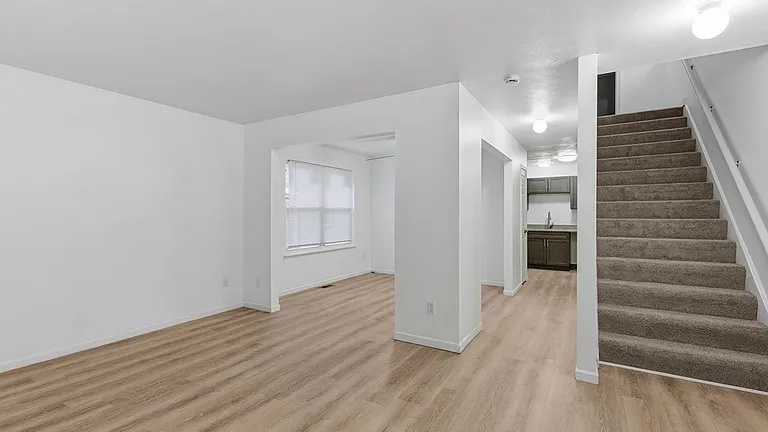
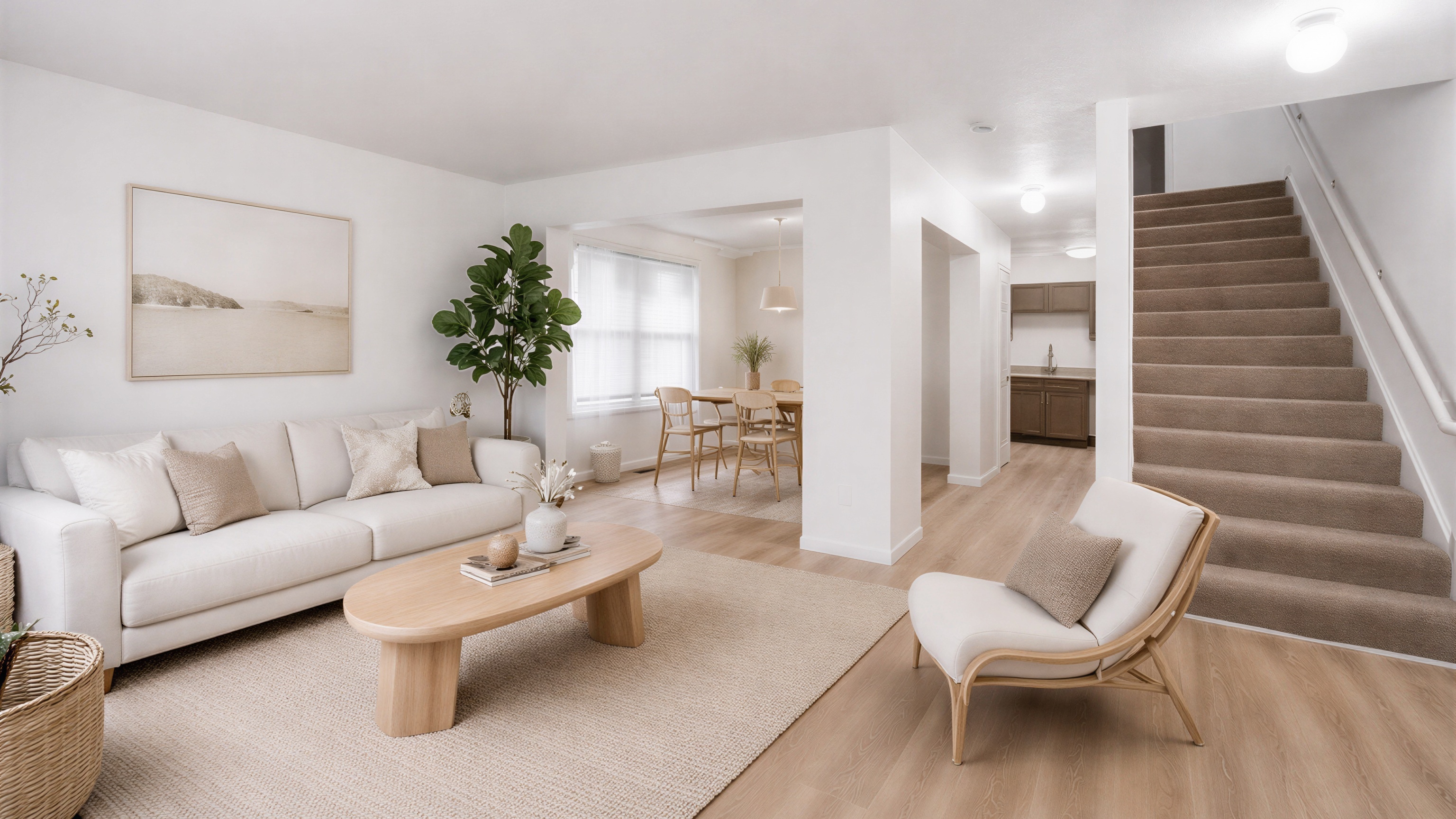
Scenario 1: The "Cold" Vacant Listing
You have an empty living room. It looks small and echoes.
The Fix: Use Virtual Staging mode.
The Style: Choose Organic Modern. This is the hottest trend for 2026—think earth tones, boucle textures, and linen. It warms up the space immediately without feeling cluttered.
Pro Tip: If the home is an older build (1950s-70s), try Mid-Century Modern to lean into the architecture with walnut woods and tapered legs.
Scenario 2: The "Cluttered" Occupied Home
The seller has great furniture, but too much of it. Kids' toys are everywhere.
The Fix: Use Virtual Declutter mode.
What it does: It removes the clutter (stacks of mail, toys, messy cables) but keeps the major furniture pieces intact. This is magic for tenanted properties where you can't physically move their stuff.
Scenario 3: The "Total Gut Job"
The kitchen is a disaster—peeling linoleum, 1980s oak cabinets. Buyers walk in and immediately calculate "$50k renovation cost."
The Fix: Use Kitchen Remodel mode.
The Transformation: Instantly replace dated countertops with quartz, repaint cabinets, and add a modern backsplash.
The Strategy: Print this "After" photo and put it on an easel in the kitchen during the open house. Show them the potential equity.
Scenario 4: The "Gray Day" Curb Appeal
You took the exterior photo on a cloudy Tuesday. The grass looks dead and the sky is blown out.
The Fix: Use Curb Appeal Pro.
What it does: Replaces the sky with a perfect blue, greens up the grass, and cleans up the driveway. Note: It does not change the architecture or paint color (which would be misleading). It just presents the home on its best day.
Want to test this? Agent Lens offers 3 free credits on signup—no credit card required. You can stage your next listing before you finish your morning coffee.
4. Room-by-Room Staging Checklist (2026 Edition)
If you are staging physically (or guiding a DIY seller), here is exactly what needs to happen in every room.
The Living Room: The "Conversation" Zone
Float the Furniture: Never push sofas against the wall. It makes the room look like a dance hall. Pull them in to create an intimate conversation area.
Lighting: Swap all bulbs to 3000K LEDs. Dark corners are deal-killers. Add floor lamps if you don't have overhead lighting.
The "Vignette": Use the "Rule of Three" on the coffee table. A book, a plant, and a candle. That's it.
The Kitchen: The "Clear Counter" Mandate
Remove Everything: Toasters, blenders, knife blocks—gone.
One Prop Only: A bowl of lemons or a wooden cutting board. That’s allowed.
Hide the Trash: Never show a trash can in a photo.
Virtual Backup: Can't afford to replace the dated backsplash? Use Kitchen Remodel mode in Agent Lens to show buyers what it could look like for under $1.
The Primary Bedroom: The Sanctuary
White Linens Only: Replace patterned comforters with crisp white duvets. It signals "hotel luxury."
Symmetry: You need two nightstands and two lamps. Even if the room is small. It creates psychological balance.
Depersonalize: No wedding photos. No religious symbols. The buyer needs to sleep here, not you.
The Bathroom: Spa Vibes
The Towel Trick: Buy brand new fluffy white towels. Roll them. Put them out only for showings.
Clear the Shower: No shampoo bottles. No loofahs.
Toilet Lids: Down. Always.
Exterior: Quiet Confidence
Power Wash: A dirty driveway says "deferred maintenance." Clean it.
Mulch: Fresh dark mulch is the cheapest way to make a garden look expensive ($4/bag).
The Front Door: Paint it a statement color. In 2026, deep teal or matte black are winning.
5. Competitor Strategy: Why Apps Fail You
You might be tempted to use free apps from paint companies or big rendering houses. Here is why that often backfires.
Sherwin-Williams ColorSnap & Behr ColorSmart
The Promise: Pick a paint color and see it on your wall.
The Reality: Users consistently complain that the apps are "too stupid to select wall vs. trim," requiring you to manually mask out windows with your finger—a nightmare on a phone screen.
The Agent Lens Fix: Our AI detects walls automatically. You don't mask anything.
BoxBrownie
The Promise: High-quality manual editing.
The Reality: It’s good, but slow. You wait 24-48 hours. If you don't like the rug they chose? You wait another 24 hours for a revision.
The Agent Lens Fix: You don't like the rug? Click "Generate" again. It takes 10 seconds. Also, they charge $24/image. We charge pennies.
6. Budget Staging Hacks (Under $100)
Staging doesn't always need a pro budget.
Paint One Wall: Use "Universal Khaki" (the 2026 neutral) on an accent wall to update a room for $50.
Dollar Store Decor: Glass vases and simple white mugs from the dollar store look high-end when grouped together. Fill them with free greenery from the yard.
Hardware Swap: Change kitchen cabinet knobs to matte black. It costs $30 and makes 1990s cabinets look 2020s.
The Verdict: Work Smarter, Not Harder
You can spend $4,000 renting furniture, wait two weeks for the movers, and pray the beige sofa matches the vibe. Or, you can embrace the speed of 2026.
Virtual staging has graduated. It’s no longer about pasting cartoonish sofas into bad photos. With tools like Agent Lens, you can instantly apply "Modern Heritage" styling to a vacant property, generating hyper-realistic listing photos before you even leave the driveway.
The data is clear: Staged homes sell for more. The only question left is: How much of your commission are you willing to spend to get there?
Free Real Estate Tools
Explore our free calculators and AI tools for agents:
Transform Your Listings with AI
Apply professional virtual staging and enhancements in seconds. Start transforming your listings today.
Explore Virtual Staging Options
Start with our most popular room & style combinations: